Blog

  • PARENTS AND GRANDPARENTS PROGRAM WILL REOPEN IN THIS MAY

    PARENTS AND GRANDPARENTS PROGRAM WILL REOPEN IN THIS MAY

    PARENTS AND GRANDPARENTS PROGRAM WILL REOPEN IN THIS MAY

    The Parents and Grandparents Program (PGP) in Canada is a popular immigration program that allows Canadian citizens and permanent residents to sponsor their parents and grandparents for permanent residency. The program aims to reunite families by allowing parents and grandparents to join their loved ones in Canada.

    The Parents and Grandparents Program (PGP) is scheduled to resume this month, with IRCC gearing up to extend invitations to potential sponsors.

    In a recent announcement, the department confirmed that starting May 21st, 2024, it will dispatch 35,700 invitations, aiming to approve 20,500 complete applications.

    Who will be qualified for the upcoming PGP round?

    – Under the PGP system, applicants will be invited at random (through a lottery system).

    – Individuals who submitted their applications under PGP in 2020 to apply for the 2024 intake, will be considered for the upcoming round of invitations.

    – If invited, invitations will be sent to sponsors through an email provided on their interest-to-sponsor form.

    How to Obtain Permanent Residence through the PGP?

    To secure permanent residence (PR) via the Parents and Grandparents Program (PGP), applicants must:

    – Ensure they fulfill all pertinent eligibility criteria, such as being qualified to sponsor, residing in Canada, signing an undertaking, and meeting minimum income requirements, among others.

    – Fill out an interest to sponsor form on the IRCC’s website. For eligibility in the 2024 round, applicants must not have received an invitation to apply (ITA) in 2021, 2022, or 2023.

    – Upon receiving an ITA, sponsors must submit their application through either the Permanent Residence Portal or the Representative Residence Portal (if utilizing an authorized representative) by the deadline specified in the invitation email.

    – Once an application is lodged, IRCC aims to process it within 112 days. Between 2022 and 2023, the department managed to process 67% of applications to this standard.

    If they are not selected?

    In this case, you will still be able to bring your parents and grandparents to Canada through the Super Visa pathway. Similar to PGP, PR holders and citizens in Canada can sponsor their parents and grandparents but as temporary residents.

    If approved under Super Visa, they will be able to stay in Canada for a maximum of 5 years per entry, with the ability to extend this stay for two years. Super visa is valid for 10 years, which you can reapply after its expiry.

    Unlike PGP, the Super Visa pathway is available throughout the year, with sponsors being able to apply around the year. Applications submitted under both PGP and Super Visa are processed within 112 days from receipt.

    Under the Canada Immigration Levels Plans 2024-2026, Immigration, Refugees and Citizenship Canada (IRCC) is planning to welcome 32,000 immigrants through the Parents and Grandparents Program (PGP) – in 2024 alone. This number will rise to 34,000 immigrants for 2025 and 2026 each.

    Book your Consultation with our RCIC consultant here: https://www.gtrimmigration.com/book-appointment/


    Book appointment

  • Saskatchewan has Updated the Excluded Occupation List for SINP Applicants

    Updated the Excluded Occupation List for Saskatchewan Immigrant Nominee Program (SINP) Applicants

    THE Saskatchewan Immigrant Nominee Program (SINP) is a vital provincial immigration initiative in Canada, designed to help the province of Saskatchewan nominate individuals for permanent residency. This program specifically targets individuals with the skills and experience that meet the demands of the local labor market, thus contributing to the province’s economic growth and development.

    Overview of the Saskatchewan Immigrant Nominee Program (SINP)

    The SINP is tailored to attract skilled workers, entrepreneurs, and investors. It features several distinct streams for potential applicants, including:

    • International Skilled Worker Category
    • Saskatchewan Experience Category
    • Entrepreneur Category
    • Farm Owner and Operator Category

    Each of these streams has specific eligibility requirements and criteria that applicants must meet.

    Saskatchewan Immigrant Nominee Program (SINP)

    Recent Updates to the Saskatchewan Immigrant Nominee Program (SINP)

    On May 1, 2024, significant updates were made to the Saskatchewan Excluded Occupation List. This change has important implications for individuals applying for Canadian Permanent Residency (PR) visas through the Occupations In-Demand (OID) or Express Entry subcategories under the International Skilled Worker category of the SINP.

    The goal of these updates is to ensure that nominated applicants possess skills and experience that align with the current economic needs of Saskatchewan. As it stands, only TEER 0 to TEER 3 occupations in NOC 2021 are eligible for the OID and Express Entry subcategories, with the exception of those listed in the Excluded Occupation List.

    Key Points for Applicants

    • Eligibility Criteria: Applicants must have their occupation listed under NOC 2021 TEER 0, 1, 2, or 3 categories.
    • Excluded Occupations: Occupations found on the Saskatchewan Excluded Occupation List are not eligible for nomination.
    • Stay Informed: It’s crucial to check the latest status of your occupation before applying for Canadian PR, as the labor market needs can change.

    Certain occupations are not eligible for the SINP subcategories requiring a job offer and Job Approval Letter (JAL) from a Saskatchewan employer unless specific criteria are fulfilled.

    Conclusion

    The Saskatchewan Immigrant Nominee Program (SINP) remains a strategic pathway for individuals seeking to settle in Canada. By staying informed about eligibility requirements and updates, applicants can enhance their chances of successfully navigating the application process and achieving permanent residency in Saskatchewan.


    NOC

    Occupation Title

    10022

    Advertising, marketing, and public relations managers unless the candidate is currently working in Saskatchewan under a valid Labour Market Impact Assessment (LMIA) or Canada-Ukraine Authorization for Emergency Travel (CUAET) work permit or valid Post-Graduate Work Permit (PGWP) in the advertising, marketing, and public relations industry only.

        11202


     Professional occupations in advertising, marketing, and public relations unless the candidate is currently working in Saskatchewan under a valid LMIA or CUAET work permit or valid PGWP in the advertising, marketing, and public relations industry only.

        12200

     Accounting technicians and bookkeepers unless the candidate is currently working in Saskatchewan under a valid LMIA or CUAET work permit, or valid PGWP working for a Saskatchewan Accounting firm only.

        32200

     Chinese health practitioners/Acupuncturist unless the candidate is currently in Saskatchewan under a valid LMIA or CUAET work permit or a valid PGWP where licensure is required to practice.

        32201

     *Massage therapist, including those within massage service operations, unless the candidate is a Licensed Registered Massage Therapists (RMT) who is currently in Saskatchewan under a valid LMIA or CUAET work permit, or a valid PGWP.

        32209

     Other practitioners of natural healing unless the candidate is currently in Saskatchewan under a valid LMIA or CUAET work permit or a valid PGWP where licensure is required to practice.

        33109

     Other assisting occupations in support of health services is no longer eligible for positions that support Chinese Health Practitioner, Acupuncturist or Naturopath.

        41302

     Religious leaders


    41402

    Business development officers and market researchers, analysts unless the candidate is currently working in Saskatchewan under a valid LMIA or CUAET work permit or valid PGWP in the advertising, marketing, and public relations industry only.

    42204

    Religious workers

    63211

    Estheticians, electrologists and related occupations unless the candidate is currently working in Saskatchewan under a valid LMIA or CUAET work permit or a valid PGWP and possesses a Saskatchewan Apprenticeship and Trade Certification Commission (SATCC) license.

    43200

    Sheriffs and bailiffs unless the candidate is currently working in Saskatchewan under a valid LMIA or CUAET work permit, or PGWP employed by a federal, provincial, territorial, or municipal government, government agency, or a financial institution.

    43201

    Correctional service officers unless the candidate is currently working in Saskatchewan under a valid LMIA or CUAET work permit, or PGWP employed by a federal, provincial, territorial, or municipal government, government agency, or a financial institution.

    43202

    By-law enforcement and other regulatory officers unless the candidate is currently working in Saskatchewan under a valid LMIA or CUAET work permit, or PGWP employed by a federal, provincial, territorial, or municipal government, government agency, or a financial institution.

  • Refer Friends, Bonus for you and Special Discount! Let’s help your friend settle in Canada!


    Refer your friends, Referral Bonus for you
    & Special Discount for them!

    Helping a friend move to Canada has never been more rewarding! At GTR Immigration, we specialize in offering a comprehensive suite of services to facilitate a seamless transition. Whether your friend is applying for the first time or facing challenges from previous applications, our expert team is here to assist. And now, when you refer a friend, you can earn referral bonus plus your friend receives a special discount on our services.

    A Wide Range of Immigration Services

    For Visitors:

    • Visitor Visa: Whether your friend is a fresh applicant or has faced previous refusals, we can help. We also handle visitor visa extensions and restoration of visitor status.
    • Dependent Visas: If your friend is a dependent of an international student, we can assist in securing the right visa for their needs.

    For Workers:

    • Work Permits: From LMIA processing to spousal open work permits, and even bridging open work permits, our services cover all aspects to help your friend begin or continue their career in Canada.
    • Restoration of Worker Status: We can assist in restoring your friend’s worker status, ensuring they remain compliant with Canadian immigration laws.

    For Students:

    • Study Permits: Our services include applications for new students, those who have been refused previously, extensions, and restoration of student status.
    • Post-Graduation Work Permit (PGWP): We assist graduates in transitioning to work life in Canada, maximizing their opportunities to stay and work after their studies.

    For Residents and Citizens:

    • Express Entry & PNP: We guide applicants through profile creation and submissions, from the initial Provincial Nominee Program (PNP) to post-ITA (Invitation to Apply) steps for permanent residency.
    • Citizenship Applications: Our team ensures that the journey from permanent resident to Canadian citizen is smooth and clear.

    Family Sponsorship:

    • Spouse, Partner, and Children: Whether your friend wishes to sponsor a spouse, partner, or child from outside or inside Canada, we offer dedicated support.
    • Parent/Grandparent Sponsorship: We help keep families together by assisting in the sponsorship process for parents and grandparents.

    Super Visas:

    • For those looking to secure a super visa for their parents or grandparents, whether as fresh applicants or after a refusal, our experienced team can provide guidance.

    How It Works

    1. Refer Your Friend: Click button below to submit a form.
    2. Your Friend Gets a Discount: Once they sign up for our services using your referral, they receive an exclusive discount.
    3. You Earn Rewards: After your friend’s case is processed, you earn up referral bonus as a thank you from us.


    Refer Now

  • Changes to the Start-up Visa and Self-Employed Persons programs to help reduce backlogs and improve processing times


    Business IMMIGTATION

    Updates to Canada Start-Up Visa
    (SUV) Program

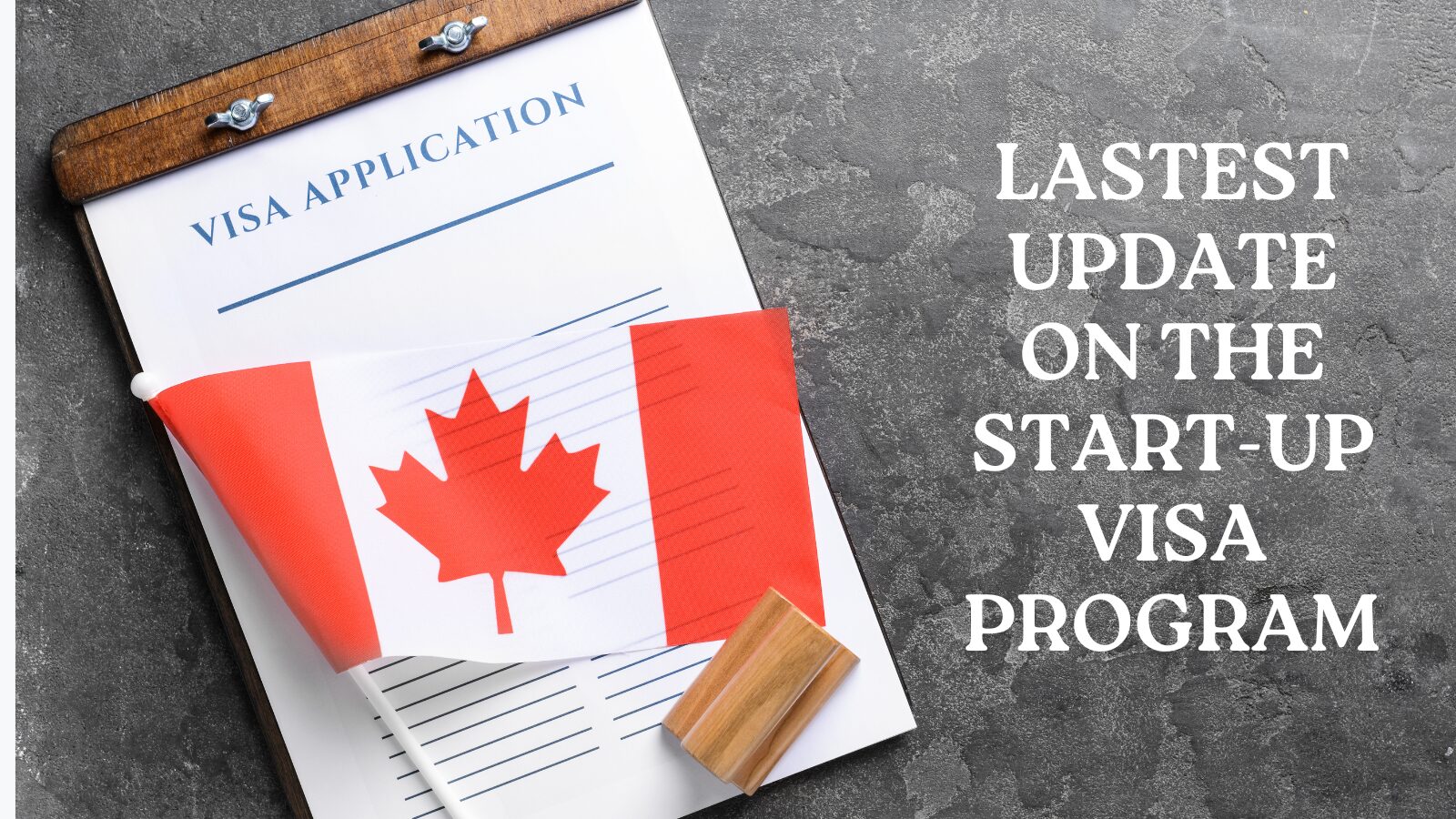
    Effective on Apr 30, Changes to the Start-Up Visa IRCC will now be altering the processing of Start-Up Visa applications by: 

    – Putting a cap on the number of candidates that apply for Canada PR under this program by excluding applicants who are associated with no more than 10 start-ups per designated organization, and 

    – Offering priority processing to entrepreneurs whose start-up is supported by a Canadian capital or business incubator that is a member of Canada’s Tech Network.

    This implies that the Designated Organization will become more discerning, opting solely for well-prepared projects. With projects on hand, we require additional team members. If you have an English CLB 5 or above, along with at least 1 year of management experience, we invite you to join us.

    Business IMMIGTATION

    Changes to the Self-Employed Persons Program

    Starting April 30, 2024:

    – There will be a full pause on the Self-Employed Persons Program application intake which is planned to be in place until the end of 2026.

    This change is a result of the high number of applications within the program inventory, because of which processing times have increased to longer than 4 years. While the temporary pause has been put in place, IRCC will continue to finalize applications and look for opportunities to reform the program while maintaining its integrity.

    “Fast processing is critical to the success of entrepreneurs who come to Canada through our federal business programs. These necessary changes will set the Start­up Visa Program and Self-Employed Persons Program on the path to faster processing times while we look ahead to further reforms to make these programs more sustainable and effective over the long term.”
    – stated by Marc Miller – Minister of Immigration, Refugees and Citizenship.


    We can explore and propose alternative solutions that align with your profile.


    Book your Consultation with our RCIC consultant here

    source: Changes to the Start-up Visa and Self-Employed Persons programs to help reduce backlogs and improve processing times - Canada.ca
  • International Students Will Be Able to Work Off-Campus For Up To 24 Hours Per Week Starting in September 2024

    Study in Canada

    International Students Will Be Able to Work Off-Campus For Up To 24 Hours Per Week Starting in September 2024

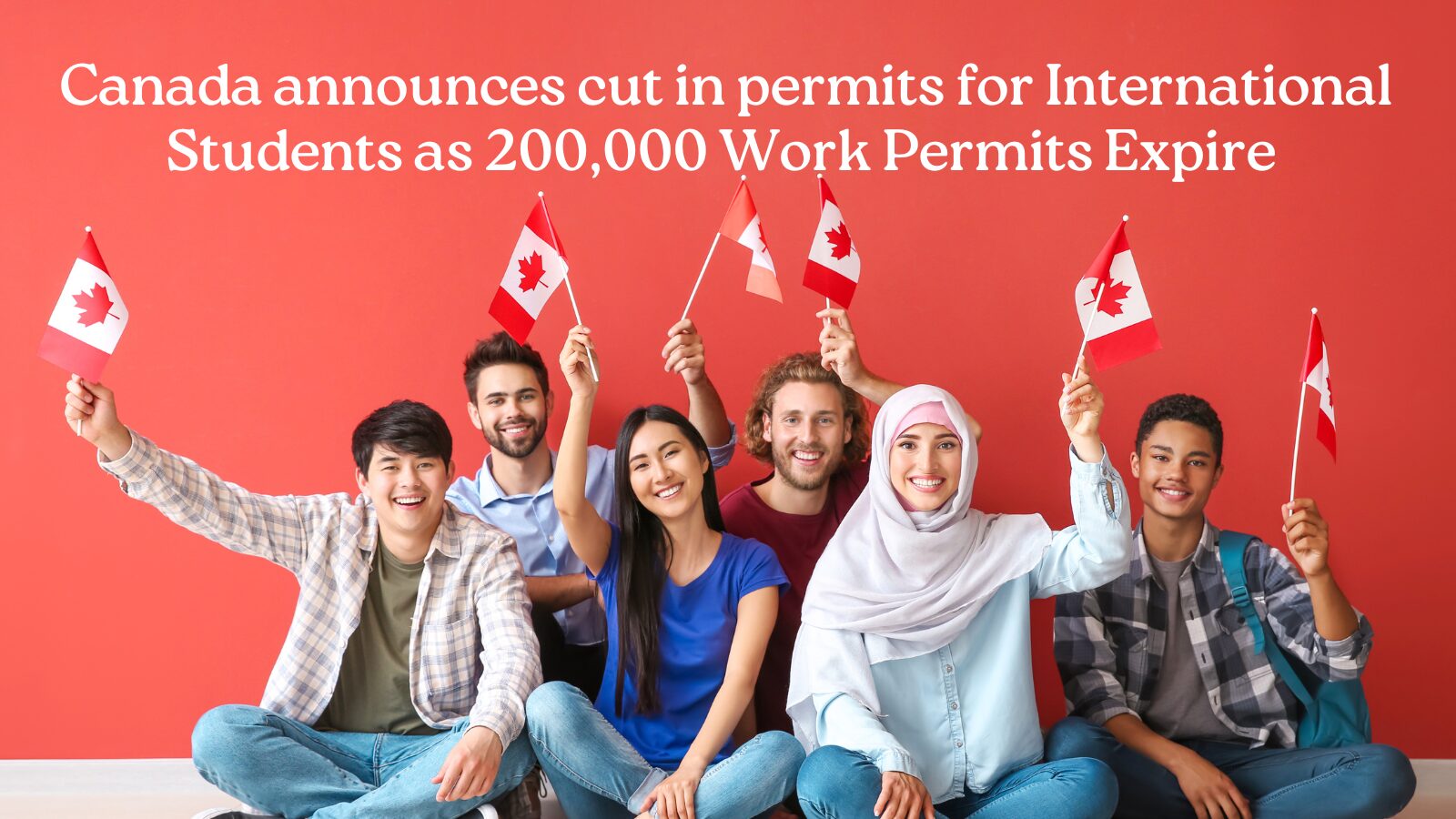
    Immigration Minister Marc Miller, announced on Apr 29th that the temporary policy allowing students to work more than 20 hours per week off campus will come to an end on April 30, 2024, and it will not be extended.

    Starting this fall, international students can work a maximum of 24 hours a week off campus, down from the current 40 hours during the school year.

    He stated that the federal government will restore the weekly work-hour ceiling, which was lifted during the pandemic to allow international students to ease Canada’s labour shortage and reduce the financial burden that students faced amid the rising costs of living.

    “It was a successful measure in helping our economy recover from the pandemic and is therefore no longer necessary,” Miller told reporters during a scrum Monday. “To be clear, the purpose of the international student program is to study and not to work.”

    Seeking our free consultation?

    If you are in Regina, welcome to our office: GTR Immigration – 2124 Broad St, Regina, Saskatchewan,Canada S4P 1Y5 (Mon-Fri, from 10AM – 16PM)
    or you can call us at our Toll-Free number: +1 855 477 9797
    or email us at study@gtrworldwide.ca

    Email me study@promotion.com

  • Canada Extends Validity of Interim Work Permit for International

    STUDY IN CANADA

    CANADA EXTENDS VALIDITY OF INTERIM WORK PERMIT FOR INTERNATIONAL GRADUATES

    In case if you don’t know – Canada has recently extended the validity period of interim work authorization letters provided to international graduates awaiting a decision on their work permit applications. These letters will now remain valid for 180 days from the date of application submission, comparing to the previous duration of 120 days.

    Criteria for Issuance of Interim Work Authorization Letters for International Graduates

    Requirements for International Graduates Seeking to Work Before Applying for a Post-Graduation Work Permit (PGWP):
    • Hold a valid study permit when submitting the work permit application.
    • Successfully complete their program of study.
    • Fulfill the criteria for working off campus without a work permit, including:
    • Enroll as a full-time student at a Designated Learning Institution (DLI).
    • Participate in a post-secondary academic, vocational, or professional training program lasting at least 8 months.
    • Attain a degree, diploma, or certificate from the program.
    • Adhere to the permissible hours of work for full-time students in Canada, noting that a temporary public policy enacted by IRCC allowed students to work beyond the regular 20-hour weekly limit from Nov 15th, 2022, to April 30th, 2024.

    Applicants possessing an interim work authorization letter can continue working in Canada, even if they depart and re-enter the country (although many individuals will require a valid temporary resident visa for re-entry). However, it’s important to note that an interim work authorization letter does not serve as a travel document.

    If you are in Regina, welcome to our office: GTR Immigration – 2124 Broad St, Regina, Saskatchewan,Canada S4P 1Y5 (Mon-Fri, from 10AM – 16PM) or you can call us at our Toll-Free number: +1 855 477 9797 or email us at study@gtrworldwide.ca

  • Discover Farm Work Opportunities in Canada!

    Discover Farm Work Opportunities in Canada!

    Discover Farm Work Opportunities in Canada!

    Canadian AGRICuture

    Open Call for Farm Workers!

    Canada’s rich and diverse landscapes are not just for show; they’re the bedrock of our vibrant agricultural sector, especially in provinces like Ontario, Atlantic Canada, and British Columbia. Here, farming isn’t just a job—it’s a lifestyle and a crucial industry that feeds nations.

    Our farms are on the lookout for passionate individuals ready to dive into the world of agriculture. Whether you’re highly skilled or stepping into the workforce for the first time, there’s a place for you here. Don’t worry if you’re not fluent in English or lack experience—enthusiasm and willingness to learn are what we value most.
    NOW HIRING

    We are recruiting diverse teams of Farm Workers

    Our doors are open to both men and women interested in working in Mushroom, Potato, Wheat, and Dairy Farms—operations that run throughout the year, ensuring stability and continuous learning opportunities. This is your chance to be part of the essential workforce that powers Canada’s agricultural output.

    If you’re eager to contribute to an industry that makes a real difference and to experience the camaraderie of farm life, we want to hear from you. Submit your resume now! LMIA is ready

    Apply now

    Benefits

    2 year work permit
    Full health insurance

    Requirements

    Mushroom Farm
    Vietnamese women, from 18-35 years old
    Secondary school education is required
    Can communicate in English and Vietnamese
    Dairy Farm
    Vietnamese men and women, from 18-35 years old
    Secondary school education is required
    Can communicate in English and Vietnamese
    Physical strength is required

  • Minimum hourly wage rates as of April 1, 2024

    Revised Minimum Hourly Wage Rates Summary as of April 1, 2024

    GreenTech - GTR Immigration - Minimum wage in Canada

    In response to the rising cost of living, the federal minimum wage in Canada will undergo an adjustment, increasing from $16.65 to $17.30 per hour, effective April 1, 2024. This adjustment, aligned with a 3.9% increase in the country’s annual average Consumer Price Index for 2023, aims to mitigate the impact of inflation.

    Employment and Social Development Canada (ESDC) has announced the federal minimum wage increase to $17.30 per hour as of April 1, 2024, marking a substantial rise from the previous year’s adjustment, which elevated the minimum wage from $15.55 to $16.65 per hour.

    Ref: https://www.canada.ca/en/employment-social-development/news/2024/03/federal-minimum-wage-rising-to-1730-per-hour-on-april-1.html

    Alongside the federal increase, several provinces are either raising their minimum wage or have plans to do so in 2024. However, not all Canadian workers will experience a wage hike, as some provinces have not announced any changes.

    Current Minimum Wage across Canada

    Provinces with Minimum Wage Increases or Planned Increases in 2024:

    • New Brunswick: $15.30, effective April 1, 2024
    • Newfoundland & Labrador: $15.60, effective April 1, 2024
    • Nova Scotia: $15.20, effective April 1, 2024
    • PEI: $15.40, effective April 1, 2024 (to rise to $16 on October 1, 2024)
    • Yukon: $17.59, effective April 1, 2024
    • British Columbia: $16.75 (to increase to $17.40 on June 1, 2024)
    • Ontario: $16.55 (to increase to $17.20 on October 1, 2024)
    • Quebec: $15.25 (to increase to $15.75 on May 1, 2024)
    • Saskatchewan: $14.00, effective October 1, 2023 (to increase to $15 on October 1, 2024)

    No Change:

    • Alberta: $15.00, effective October 1, 2018 (Alberta has maintained its minimum wage since June 2019)
    • Manitoba: $15.30, effective October 1, 2023
    • Northwest Territories: $26.05, effective September 1, 2023
    • Nunavut: $19.00, effective January 1, 2024
  • IRCC Updates – Canada plan to reduce Temporarily Residents

    IRCC updates – Canada plan to reduce temporarily residents

    The update on temporary resident levels in Canada has been provided by Marc Miller, the Minister of Immigration, Refugees, and Citizenship Canada (IRCC). He has directed the immigration department to review IRCC programs facilitating temporary foreign workers, aligning them with the country’s labor market needs. For the first time, Canada will establish annual targets for temporary residents, starting in the fall of 2023, mirroring the existing practice for permanent residents.

    Minister Miller will convene a meeting with provincial counterparts to establish these annual targets for the influx of temporary residents into Canada. IRCC aims to decrease the temporary resident population to 5% over the next three years. This target will be finalized in the fall, following consultations with provincial and territorial counterparts, as part of the annual level planning process.

    It’s encouraging news that there will be more domestic immigration draws, and the Minister encourages provincial counterparts to adopt similar measures to facilitate the transition of temporary residents into permanent residents.

    Act now. If you have plans to visit or are looking for job opportunities to work and live in Canada, contact Green Tech Resource for advice. We will support you throughout your immigration journey and provide detailed information on immigration opportunities and requirements.


    Book a consultation

  • Which country can a Canadian PR card holder travel to?

    Which country can a Canadian PR card holder travel to?

    Which country can a Canadian PR card holder Visa Free Travel to?

    Visa Free Travel for Canadian PR card holder

    As a Canadian Permanent Resident (PR) cardholder, you are entitled to the convenience of visa-free travel to many countries across the globe. This benefit allows you to explore numerous destinations without the need to apply for a visa beforehand. Whether you’re looking for a short getaway or a long-term stay, here is a comprehensive guide to countries where visa-free travel is available for Canadian PR holders, along with visa-on-arrival and eVisa options.

    1. Caribbean Visa-Free Travel
    Anguilla, Antigua and Barbuda, Aruba, Bahamas: Enjoy these stunning Caribbean destinations with visa-free travel for stays ranging from 30 to 90 days.
    Bermuda, Cayman Islands, Sint Maarten: Take advantage of visa-free travel for 30 days to relax in these tropical paradises.
    Bonaire (Dutch Territory), Turks and Caicos (British Territory): These islands offer 90 days of visa-free travel for Canadian PR holders.
    2. Eastern Europe Visa-Free Travel
    Armenia, Georgia, Moldova: Experience the rich culture and history of Eastern Europe with 90 days of visa-free travel in these countries.
    3. Visa-Free Travel in Central America
    Belize: Explore the natural beauty of Belize with 30 days of visa-free travel for Canadian PR holders.
    El Salvador, Guatemala, Honduras, Panama: Each of these Central American countries offers 90 days of visa-free travel for Canadian PR holders.
    Nicaragua: Enjoy 30 days of visa-free travel in Nicaragua.
    4. Asian Visa-Free Travel
    Japan: Discover Japan with a 90-day eVisa, available to Canadian PR holders for visa-free travel.
    Philippines: Indian citizens with Canadian PR can enjoy 14 days of visa-free travel in the Philippines.
    South Korea: Select nationalities can enjoy 30 days of visa-free travel while transiting through South Korea.
    Singapore: Indian and Chinese nationals can experience 96 hours of visa-free travel while transiting through Singapore.
    Thailand: Canadian PR holders can stay in Thailand for 60 days with an eVisa, making it an ideal destination for visa-free travel.
    5. Middle East and Africa Visa-Free Travel
    Oman: Certain nationalities can take advantage of 30 days Visa on Arrival (VOA) for visa-free travel in Oman.
    Qatar: Enjoy 30 days of visa-free travel in Qatar with an eVisa.
    Morocco: Canadian PR holders can explore Morocco with 90 days of visa-free travel using an eVisa.
    6. Visa-Free Travel in Mexico and Latin America
    Mexico: Canadian PR holders are eligible for 180 days of visa-free travel in Mexico, making it perfect for long-term stays.
    Costa Rica: Visit Costa Rica and enjoy 30 days of visa-free travel.
    Dominican Republic: Canadian PR holders can experience 90 days of visa-free travel in the Dominican Republic.
    7. United Kingdom Transit Visa-Free Travel
    United Kingdom: If you’re transiting through the UK, Canadian PR holders can enjoy 24 hours of visa-free travel while passing through.
    Important Considerations for Visa-Free Travel
    Before embarking on any journey, it is crucial to double-check the latest entry requirements and ensure your visa-free travel privileges remain valid. Rules and regulations for visa-free travel can change, so it’s always advisable to verify the current policies before departure.


    Do you know?

    There are many pathways to have Canadian PR

    Canada offers a variety of opportunities for individuals seeking Canadian Permanent Residency (PR). With numerous immigration programs, it’s easier for skilled workers, entrepreneurs, and students to settle permanently. Once you obtain Canadian PR, you can enjoy the benefits of visa-free travel to many countries, adding convenience and flexibility to your global mobility. In this blog, we’ll explore the different pathways to acquiring Canadian PR and how visa-free travel enhances the experience.

    1. Express Entry System

    The Express Entry program is one of the fastest ways to achieve Canadian PR for skilled workers. This points-based system ranks candidates, and those with the highest scores are invited to apply for permanent residency. Once you have PR, you’ll also benefit from visa-free travel to multiple countries.

    Benefits of PR via Express Entry:

    • Fast processing time (often within six months).
    • Access to visa-free travel as a PR holder.
    • Freedom to live and work anywhere in Canada.

    2. Provincial Nominee Programs (PNPs)

    Each Canadian province and territory has its own immigration streams under the Provincial Nominee Program (PNP). These are designed to attract individuals with specific skills needed in that region. Once nominated, your chances of securing Canadian PR improve greatly, allowing you to enjoy visa-free travel as well.

    Benefits of PR via PNP:

    • Opportunity to settle in a specific province.
    • Visa-free travel to numerous countries post-PR.
    • Economic growth opportunities in smaller regions.

    3. Business Immigration Programs

    Canada offers several business-focused immigration programs, such as the Start-Up Visa and Self-Employed Persons Program. These are ideal pathways for investors, entrepreneurs, and self-employed individuals looking to gain Canadian PR. Once you become a PR, you’ll also unlock visa-free travel privileges to various international destinations.

    Benefits of PR via Business Programs:

    • Establish your own business or invest in Canadian markets.
    • Enjoy visa-free travel as a PR holder.
    • Access to Canadian economic and business opportunities.

    4. Canadian Experience Class (CEC)

    For those who have already gained skilled work experience in Canada, the Canadian Experience Class (CEC) is a suitable path to Canadian PR. This is ideal for international students or foreign workers who want to transition to permanent residency. Once PR is granted, you’ll be eligible for visa-free travel to several countries.

    Benefits of PR via CEC:

    • No job offer is needed to apply.
    • Visa-free travel benefits post-PR to destinations worldwide.
    • Freedom to live and work in any part of Canada.

    5. Family Sponsorship

    The Family Sponsorship Program allows Canadian citizens and permanent residents to sponsor their close relatives, including spouses, children, or parents, for Canadian PR. After obtaining PR, you can explore the world with visa-free travel benefits.

    Benefits of PR via Family Sponsorship:

    • Reunite with family in Canada.
    • Access to visa-free travel after PR approval.
    • The ability to enjoy all the social benefits Canada offers.

    Benefits of Canadian PR and Visa-Free Travel

    Once you obtain Canadian PR, you can enjoy visa-free travel to numerous countries around the world. Some of the destinations offering visa-free travel or visa-on-arrival options to Canadian PR holders include:

    • Mexico: Stay for up to 180 days with visa-free travel.
    • Japan: Explore for up to 90 days with an eVisa.
    • Singapore: Transit visa-free for up to 96 hours.
    • Caribbean Islands: Many Caribbean nations offer visa-free travel for Canadian PR holders, including Antigua and Barbuda, Bahamas, and more.

    These visa-free travel opportunities make it easier for Canadian PR holders to explore the world without dealing with lengthy visa processes.

    Conclusion: Pathways to Canadian PR and Global Travel Freedom

    Canada offers multiple immigration pathways for obtaining Canadian PR, from the Express Entry system to Provincial Nominee Programs and business options. Once you have secured Canadian PR, one of the key advantages is the ability to enjoy visa-free travel to several countries. This opens up a world of opportunities for global exploration and convenience.

    Working in Canada:
    LMIA, Express Entry, Job Approval Letter (JAL) of Saskatchewan, and Community Endorsement in Alberta are key routes for skilled workers to gain work permits and eventually PR.
    Business Opportunities:
    Entrepreneurs can achieve PR through the Start-Up Visa or by establishing and operating a business under various Provincial Nominee Programs
    Post-Graduation Work Permit (PGWP):
    International students can work in Canada after graduation, gaining experience to help them apply for PR when eligible

    Let GTR Immigration guide you through the process.

    Ready to make Canada your new home?Contact us today at +1 855 477 9797 to explore your pathway to Canadian permanent residency. We’re here to help you every step of the way!

    Contact us +1 855 477 9797