Canadian citizenship by descent: why “legal parent at birth” matters for non-biological parents
A surprise in the mailbox — and why it matters
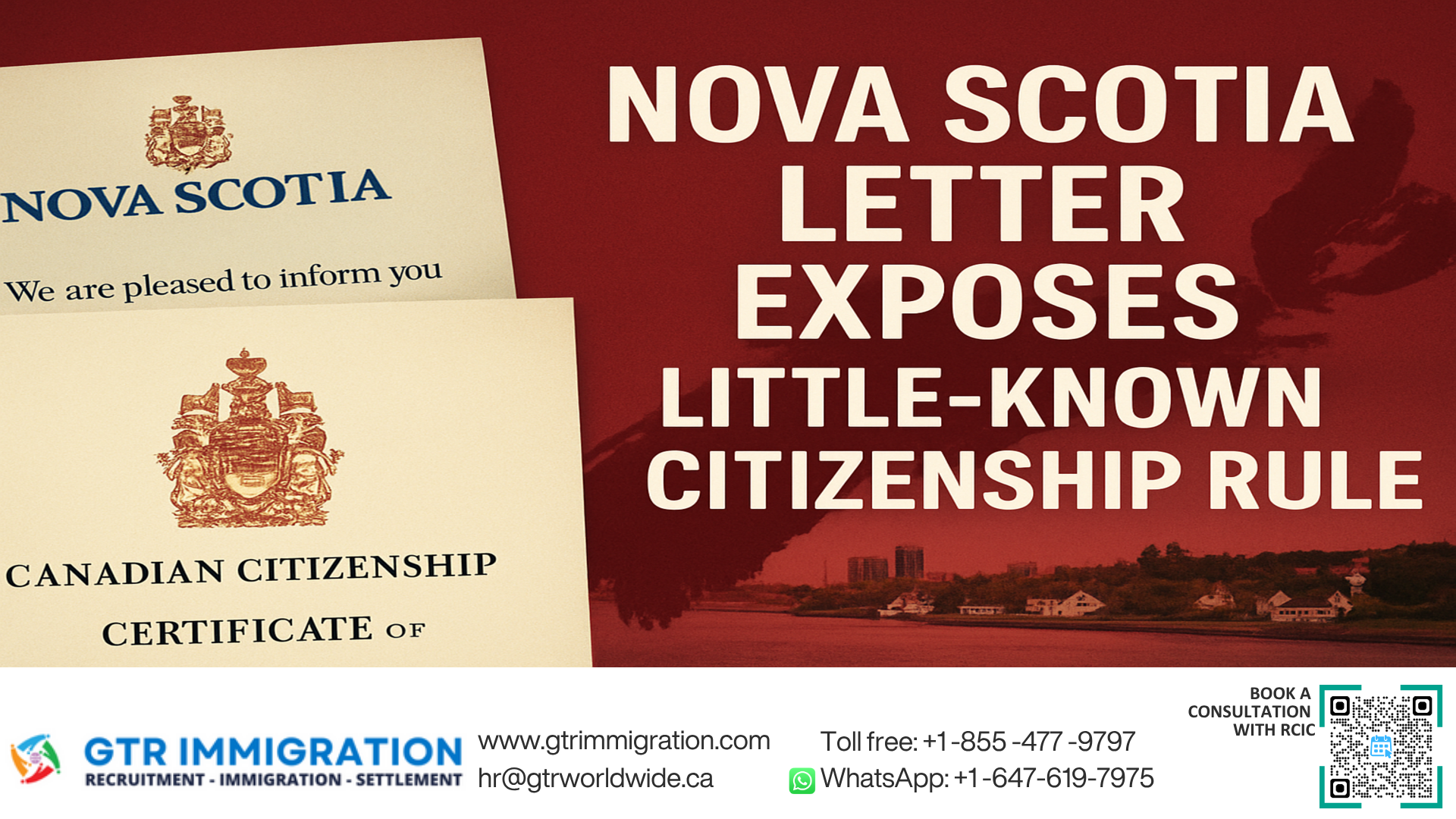
When a Nova Scotia envelope arrived in a Sacramento mailbox this spring, Maya* almost didn’t open it. Inside was a certificate she hadn’t expected: proof of Canadian citizenship for her four‑year‑old daughter. Maya had assumed the family’s Canadian link stopped with her and that being a non‑gestational parent would block transmission of citizenship. The decisive detail was simple: the child’s birth record listed Maya as a parent at birth. Canada treats that designation as determinative for citizenship by descent.
What “legal parent at birth” means
On the official citizenship application one option is “legal parent at birth.” That covers the person — biological or non‑biological — who was recorded as a parent on the child’s birth record at delivery. For citizenship by descent, this status can allow a parent to pass Canadian citizenship to a child.
The evidence that made Maya’s file straightforward
Maya submitted her daughter’s birth certificate showing both mothers, hospital discharge records naming both parents and documenting conception by IUI with donor sperm, plus a short cover letter connecting the records. Together, those documents presented a clear, consistent picture of parentage at birth. Citizenship officers accepted the file and issued the certificate.
What evidence Canada accepts
Canada’s citizenship department considers a range of contemporaneous records that can establish who the parents were at birth, including:
– Birth certificates naming parents at delivery.
– Hospital and delivery records, including discharge paperwork.
– Pre‑birth orders and surrogacy agreements naming intended parents at delivery.
– Court documents that declare parentage as of birth.
Putting these documents together — and explaining how they fit — reduces the chance an officer will need to make assumptions.
Why this matters for queer and non‑biological parents in the U.S.
In many U.S. states, lawyers and advocacy groups advise non‑gestational parents to seek a second‑parent or confirmatory adoption because a birth certificate alone can be challenged; a court order is harder to dispute. That precaution makes sense domestically. For Canadian citizenship by descent, however, Canada will accept the parent‑at‑birth designation when supported by the right records. As a result, some U.S. families who obtained court orders or adoptions for local certainty now hold precisely the kind of evidence Canada values.
Adoptive parent vs. parent at birth: different routes
The application treats “adoptive parent” differently from “legal parent at birth.” An adoptive parent adopted after birth and follows the separate process for adopted children. A non‑biological parent who was legally recorded at birth should use the “legal parent at birth” category — it is typically the faster and more direct path for citizenship by descent.
Who should check their eligibility
Consider reviewing this pathway if you are:
– A non‑gestational parent whose name appears on a child’s birth record.
– A family formed via assisted reproduction where hospital or clinic records document parentage at delivery.
– Someone who used pre‑birth orders or surrogacy agreements that name intended parents at birth.
– A person with a Canadian parent or grandparent who has wondered whether a non‑biological link breaks the line of descent.
Practical checklist for applicants
Before applying, gather:
– The child’s original or certified birth certificate showing parents at birth.
– Hospital records and discharge paperwork naming parents and, if relevant, documenting assisted conception.
– Pre‑birth orders, surrogacy agreements, or court documents establishing intended parentage at delivery.
– A concise cover letter tying the documents together and explaining the relationship.
– If available, a U.S. court parentage order or second‑parent adoption — these strengthen a file for Canadian officers.
Common pitfalls to avoid
– Inconsistent names, dates, or relationships across records can raise questions.
– Documents must show parentage as of the date of birth; post‑birth actions (like later adoptions) are handled differently.
– Choose the application category that reflects the legal status at birth: “legal parent at birth” versus “adoptive parent.”
When to get professional help
If your records are incomplete, conflicting, or your family history spans jurisdictions, a citizenship lawyer or immigration advisor can help identify which documents will satisfy Canadian requirements and how best to present them. Legal advice can reduce uncertainty but cannot guarantee an outcome.
Find out if your family lineage qualifies and get a free consultation with a citizenship lawyer. If you have a Canadian parent or grandparent and a non‑biological parental link in your generation, it’s worth checking the chain carefully — you may discover your child, like Maya’s, is already a Canadian.
🚀 Start Your Canada Immigration, Jobs & Settlement Journey Today
Need help with Express Entry, PNP, LMIA, Work Permit, Study Permit, Visitor Visa, Family Sponsorship, Canada Jobs, Recruitment, or Settlement guidance?
📱 WhatsApp / Call: +1 647 619 7975 / + 1 639 560 3180
🌐 Website: www.gtrimmigration.com
💼 Canada Job Site: www.ciccanadajobs.com
📊 Job Analytics & Labour Market Insights: www.jobmaze.ca
🔗 LinkedIn: www.linkedin.com/in/manojcanada
📘 Facebook: https://www.facebook.com/gtrimmigrationcanada
▶️ YouTube: https://www.youtube.com/@GoWithGoswami
📸 Instagram: https://www.instagram.com/gtr_immigration
#CanadianCitizenship #CitizenshipByDescent #ParentAtBirth #QueerFamilies #ImmigrationAdvice #DualCitizenship #FamilyLaw
Leave a Reply