
Author: Admin

  • Calgary Alberta Ranked Among the Top 10 Most Livable Cities in the World for 2024

    Calgary Alberta Ranked Among the Top 10 Most Livable Cities in the World for 2024

    Calgary Alberta Ranked Among the Top 10 Most Livable Cities in the World

    In an impressive achievement, Calgary, the largest city in Alberta, Canada, has secured its place among the top 10 most livable cities in the world for 2024, according to the renowned Economist Intelligence Unit (EIU) Global Livability Index. This prestigious ranking highlights Calgary’s outstanding performance in several crucial criteria: stability, healthcare, environment, education, and infrastructure. This recognition is not only a testament to the city’s ability to provide a high standard of living but also a reflection of its commitment to sustainability, innovation, and community well-being.

    In this article, we’ll delve deeper into the factors that have contributed to Calgary’s success and how each aspect of the city’s governance and infrastructure plays a vital role in making it one of the most desirable places to live globally.

    1. Stability: Calgary’s Reliable Foundation

    One of the most significant factors contributing to Calgary’s high livability score is its stability. The city enjoys a secure political and economic environment that fosters a sense of safety and reliability for residents and businesses alike.

    Political Stability

    Calgary’s political environment is known for being stable and efficient. This is crucial for maintaining the rule of law, public safety, and a transparent, predictable governance system that residents and businesses can trust. Alberta’s provincial government and Calgary’s local authorities work in harmony to ensure that the city remains a secure place for individuals, families, and enterprises to thrive. Policies that support economic growth, public safety, and community welfare have been pivotal in maintaining this political stability.

    Economic Strength

    The city’s economy is both resilient and diverse, contributing significantly to the overall sense of security. While Calgary has traditionally been known as a hub for Canada’s energy sector, it has diversified over the years into various industries including technology, finance, and real estate. The strong local economy not only supports job stability but also makes Calgary an attractive destination for skilled professionals seeking career growth in industries like tech and finance.

    The low unemployment rate and ample job opportunities also contribute to the city’s appeal. Even during global economic fluctuations, Calgary’s ability to sustain economic resilience has been impressive. These factors, combined with a relatively low crime rate, make the city a safe and dependable place to live and work.

    2. Healthcare: World-Class Medical Services

    Healthcare is another area where Calgary shines, offering high-quality medical services and a comprehensive healthcare system that ensures residents have access to excellent care.

    Advanced Medical Facilities

    Calgary is home to some of the best healthcare facilities in Canada, such as the renowned Foothills Medical Centre and Alberta Children’s Hospital. These institutions provide residents with access to specialized medical treatments, state-of-the-art technology, and world-class healthcare professionals. Calgary’s healthcare system is equipped to handle everything from routine check-ups to advanced surgical procedures, ensuring that residents receive top-notch care.

    The city’s emphasis on healthcare accessibility means that residents can avail a wide range of medical services, including preventive healthcare, family medicine, mental health services, and specialized treatments for chronic illnesses. This commitment to healthcare excellence is a major factor contributing to the city’s high livability rating.

    Preventive Healthcare Initiatives

    In addition to the healthcare infrastructure, Calgary places a strong focus on public health initiatives. These programs encourage preventive healthcare measures, promoting healthier lifestyles among the population. The city frequently organizes public health campaigns to raise awareness about the importance of exercise, nutrition, and mental health, contributing to the overall well-being of the community.

    3. Environment: A Gateway to Natural Beauty

    Calgary’s environment is one of the city’s greatest assets. Situated close to the majestic Rocky Mountains, the city offers stunning natural landscapes and a multitude of outdoor activities. Calgary’s commitment to environmental sustainability further enhances its reputation as a livable city.

    Proximity to Nature

    One of Calgary’s unique features is its close proximity to the Rocky Mountains, offering residents and visitors alike easy access to breathtaking natural beauty. Whether it’s hiking in Banff National Park, skiing in the winter, or simply enjoying the scenic views, Calgary provides a perfect balance between urban living and outdoor adventure. The opportunity to engage in outdoor activities like hiking, biking, skiing, and camping is one of the factors that make the city appealing to nature enthusiasts.

    Sustainability Efforts

    Calgary is also recognized for its dedication to environmental sustainability. The city has implemented several green initiatives designed to reduce its carbon footprint and preserve its natural surroundings. Calgary is home to many parks and green spaces, including Fish Creek Provincial Park and Prince’s Island Park, which contribute to the city’s green landscape and offer recreational spaces for residents.

    The city’s recycling and waste management programs, as well as its investment in renewable energy, are part of a broader strategy to make Calgary a sustainable city for future generations. These efforts are instrumental in improving air quality and reducing the environmental impact of urban living.

    4. Education: A Hub for Learning and Development

    Calgary’s educational system is another standout feature that has contributed to its high ranking on the global livability index. The city offers world-class education from primary to post-secondary levels, ensuring that residents have access to quality academic opportunities.

    Reputable Universities and Schools

    The University of Calgary and Mount Royal University are two of the most prominent institutions in the city, offering a wide array of undergraduate, graduate, and professional programs. These universities are recognized both nationally and internationally for their academic excellence, research contributions, and diverse range of extracurricular activities. Calgary’s education system is not only about academic achievement but also about fostering innovation and creative thinking.

    Calgary also has an excellent public and private school system, which ensures that children receive a high-quality education from an early age. The city’s schools emphasize both academic excellence and personal development, providing students with opportunities to engage in sports, arts, and other extracurricular activities. This comprehensive approach to education ensures that students are well-rounded and prepared for future success.

    Accessibility and Support for Students

    One of the strengths of Calgary’s education system is its accessibility. The city provides various scholarship programs and financial aid opportunities, ensuring that higher education is attainable for all students regardless of their financial background. Additionally, Calgary’s public schools offer various support services to help students succeed academically and socially.

    This focus on inclusivity and support ensures that every student has the opportunity to thrive, making Calgary a city where education is highly valued and accessible to all.

    5. Infrastructure: A Modern and Efficient City

    Infrastructure is the backbone of any city’s livability, and Calgary has invested heavily in building modern, efficient systems to accommodate its growing population. From transportation to urban development, Calgary’s infrastructure is designed to provide convenience, connectivity, and sustainability.

    Efficient Public Transportation

    Calgary’s public transportation system is one of the most efficient in Canada. The city’s transit network includes buses and the CTrain, a light rail system that connects various parts of the city. The CTrain, in particular, is a popular mode of transport due to its reliability and eco-friendly design. Public transit not only makes commuting convenient for residents but also reduces traffic congestion and lowers the city’s carbon footprint.

    In addition to public transportation, Calgary has invested in infrastructure projects that improve roadways, making it easier for both residents and businesses to navigate the city. The well-maintained roads, highways, and bike lanes promote seamless connectivity, ensuring that the city remains accessible to all.

    Urban Development and Smart City Initiatives

    Calgary is also committed to urban development and sustainability. The city has embraced smart city initiatives that leverage technology to improve urban living. These initiatives focus on everything from energy-efficient buildings to smart traffic management systems. By investing in such forward-thinking projects, Calgary ensures that its infrastructure can support its growing population while maintaining environmental sustainability.

    Urban development in Calgary is not just about expansion; it’s also about creating livable, community-oriented spaces. The city’s development plans prioritize green spaces, public amenities, and recreational facilities, enhancing the overall quality of life for residents.

    Conclusion: Calgary’s Place Among the World’s Most Livable Cities

    Calgary’s inclusion in the top 10 most livable cities globally for 2024 is a testament to its exceptional quality of life, driven by its stability, healthcare, environment, education, and infrastructure. The city combines the advantages of a strong economy with a commitment to sustainability, making it an ideal destination for those seeking a fulfilling and balanced lifestyle.

    From its stable political and economic environment to its breathtaking natural landscapes and world-class healthcare system, Calgary offers a comprehensive package of benefits for residents. The city’s focus on education, efficient infrastructure, and environmental sustainability further solidifies its reputation as one of the world’s best places to live.

    As Calgary continues to grow and evolve, its emphasis on innovation, community well-being, and environmental stewardship will ensure that it remains a top destination for both residents and visitors seeking a high quality of life. Whether you’re considering moving to Calgary or are already a resident, the city’s inclusion in the top 10 most livable cities globally is a reflection of its ongoing commitment to providing an exceptional living experience.

    By maintaining its strengths and embracing new opportunities, Calgary is set to continue its rise as a global leader in livability for years to come.
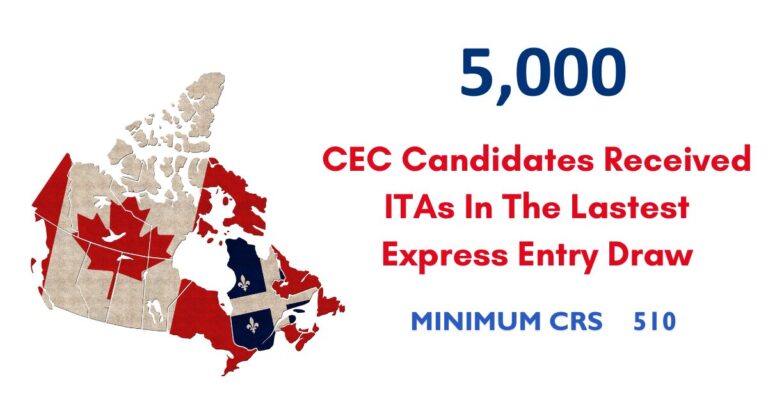
  • 5,000 Canadian Experience Class Candidates

    5,000 Canadian Experience Class Candidates

    5000 CEC Candidates Receives ITAs in the Latest Express Entry Draw – Minimum CRS 510

    In a significant move to address labor market needs and streamline immigration processes, the Canadian government has recently conducted a major draw under its Express Entry system. On July 31, 2024, Canada issued 5,000 invitations to candidates under the Canadian Experience Class (CEC) stream, marking a notable shift in the country’s immigration strategy.

    Details of the Latest Draw

    In this recent draw, the CRS score threshold was set at 510, 5 points lower than the previous CEC draw conducted on July 17, and 12 points lower than the CEC draw conducted on May 31st. This reduction in the CRS score reflects Canada’s ongoing efforts to prioritize skilled workers with Canadian work experience, a critical asset in addressing local labor market demands.

    Implications for Canadian Experience Class Candidates

    The Canadian Experience Class is a popular pathway for individuals who have already gained work experience in Canada and are looking to transition to permanent residency. This latest draw is particularly beneficial for candidates who have been working in Canada and seeking a more stable immigration status.

    Looking Ahead

    The recent draw reflects Canada’s ongoing commitment to adapting its immigration system to meet the needs of its economy and workforce. By lowering the CRS score and issuing a large number of invitations, IRCC is facilitating the integration of skilled workers into the Canadian economy and addressing critical labor market demands.

    For those affected by this draw, it represents a valuable opportunity to advance their immigration goals. Staying informed and proactive will be key for anyone looking to take advantage of future Express Entry draws.

  • Canadian Passport Ranked Seventh-Best in the World: How to Obtain One

    Canadian Passport

    As of 2024, the Canadian passport is proudly ranked as the seventh-best passport in the world, according to the Henley Passport Index. This prestigious ranking underscores Canada’s position as a leading global player with a passport that offers extensive travel freedom and a robust international reputation. For those aspiring to obtain a Canadian passport, understanding its benefits and the process to secure one is crucial. Here’s an in-depth look at why the Canadian passport is so highly regarded and how you can obtain it.

    Why is the Canadian Passport So Highly Ranked?


    The Canadian passport’s seventh-place ranking on the Henley Passport Index reflects its impressive global mobility and the strength of Canada’s international standing. Here are the key factors contributing to this high ranking:

    1. Visa-Free Access: Canadian passport holders enjoy visa-free or visa-on-arrival access to 187 countries and territories. This level of global access simplifies international travel for both leisure and business purposes, making it one of the most desirable passports in the world.

    2. Global Respect: Canada is known for its political stability, strong governance, and commitment to human rights. These factors enhance the global respect and credibility of the Canadian passport.

    3. Consular Support: Canadian citizens benefit from robust consular support worldwide. In times of crises or emergencies, Canadian embassies and consulates provide extensive assistance to their nationals, ensuring their safety and well-being.

    4. Economic Opportunities: The Canadian passport facilitates easy travel to major global markets, supporting business professionals and entrepreneurs in their international endeavors. This mobility is a significant advantage for those engaged in global trade or investment.

    The Path to Obtaining a Canadian Passport


    Obtaining a Canadian passport involves several steps, typically starting with the process of becoming a Canadian citizen. Here’s a detailed guide on how to navigate this journey:

    1. Choose Your Pathway to Canadian Citizenship

    Before you can apply for a Canadian passport, you need to become a Canadian citizen. Here are the common pathways to citizenship:

    • Permanent Residency: The first step for most individuals is to obtain permanent residency. This can be achieved through various programs, such as the Express Entry system, Provincial Nominee Programs (PNP), or family sponsorships.

    • Canadian Experience Class: If you are already in Canada and have experience working in the country, you might qualify for the Canadian Experience Class, which is part of the Express Entry system.

    • Family Sponsorship: If you have a close relative who is a Canadian citizen or permanent resident, they may be able to sponsor you for permanent residency.

    2. Meet the Residency Requirements

    To apply for Canadian citizenship, you must meet certain residency requirements:

    • Physical Presence: You need to have lived in Canada for at least 1,095 days (3 years) out of the last 5 years before applying for citizenship.

    • Language Proficiency: If you are between 18 and 54 years old, you must demonstrate proficiency in English or French.

    • Knowledge of Canada: You must pass a citizenship test to demonstrate your knowledge of Canadian history, geography, and government.

    3. Prepare and Submit Your Citizenship Application

    Once you meet the residency requirements, you can prepare and submit your citizenship application. Here’s how:

    • Gather Required Documents: This includes proof of residency, language proficiency, and other identification documents.

    • Complete the Application Form: Fill out the Canadian citizenship application form accurately and completely. Ensure you provide all required information and documents.

    • Pay the Application Fee: There is a fee associated with the citizenship application. Check the current fee structure and make the payment as required.

    • Submit Your Application: Send your completed application form and supporting documents to the appropriate immigration office.

    4. Attend an Interview and Take the Citizenship Test

    After submitting your application, you may be required to attend an interview and take a citizenship test. The interview is typically conducted to verify the information in your application, while the test assesses your knowledge of Canada.

    5. Receive Your Citizenship Certificate

    If your application is approved, you will receive a Canadian citizenship certificate. This document officially confirms your status as a Canadian citizen and allows you to apply for a Canadian passport.

    6. Apply for a Canadian Passport

    With your citizenship certificate in hand, you can apply for a Canadian passport. The application process involves:

    • Completing the Passport Application Form: Fill out the form accurately. You can obtain the form online or from a passport office.

    • Providing Supporting Documents: This includes your citizenship certificate, proof of identity, and passport-sized photos.

    • Paying the Passport Fee: Passport fees vary depending on the type and validity period of the passport you are applying for.

    • Submitting Your Application: Submit your completed application form and documents to a passport office or through a service provider.

    In conclusion, the Canadian passport’s seventh-place ranking on the global scale highlights its exceptional value and the advantages it offers to its holders. With its extensive travel freedom, global respect, and strong consular support, the Canadian passport is a valuable asset for any international traveler. By following the steps outlined above, you can embark on your journey to obtain a Canadian passport and enjoy the myriad benefits it provides. Whether you’re planning to live, work, or explore globally, a Canadian passport opens doors to endless opportunities and experiences.

  • Understanding the 2024-2026 Immigration Levels Plan in Canada

    Immigration Levels Plan

    Understanding the 2024-2026 Immigration Levels Plan in Canada

    Canada’s Immigration Levels Plan for 2024-2026 sets ambitious targets for welcoming new permanent residents, with the numbers reaching up to 500,000 by 2026. The supplementary information accompanying this plan provides detailed insights that are crucial for prospective immigrants.

    1. Overview of the Immigration Levels Plan


    The 2024-2026 Immigration Levels Plan outlines the following targets:

    • 2024: 465,000 new permanent residents
    • 2025: 485,000 new permanent residents
    • 2026: 500,000 new permanent residents

    These figures represent a significant increase in Canada’s immigration intake, reflecting a strategic focus on leveraging immigration to support economic growth and demographic balance.

    2. Opportunities for Immigration Applicants

    The increasing targets suggest more opportunities for prospective immigrants across various programs:

    • Express Entry System: With higher targets, the Express Entry system is likely to accommodate more skilled workers. This could lead to a more diverse range of invitations to apply (ITAs), increasing the chances for candidates to obtain permanent residency.
    •  
    • Provincial Nominee Programs (PNPs): Enhanced PNPs offer opportunities for applicants to gain nomination from provinces based on regional needs, potentially simplifying the pathway to permanent residency for those who align with provincial requirements.
    •  
    • Family Sponsorships: The focus on family reunification means that individuals seeking to join family members in Canada may experience more efficient processing times and fewer barriers to obtaining residency.

    3. Challenges and Considerations

    • Increased Competition: With higher targets, the competition among applicants may intensify as more individuals vie for permanent residency. This necessitates a strong application, highlighting skills, qualifications, and alignment with Canadian immigration criteria.
    •  
    • Higher Standards: As the immigration system adapts to handle larger numbers, applicants might face higher standards or more rigorous assessments to ensure that they meet the evolving needs of Canada’s labor market and society.
    •  
    • Different Provincial Needs: Applicants may need to be aware of regional variations in immigration needs and policies. Some provinces may prioritize certain skills or professions, influencing where applicants should consider applying.
    •  
    • Regional Adjustments: Changes in regional immigration policies and program priorities could affect the eligibility and selection criteria for PNPs and other provincial programs.

    4. Strategic Considerations for Applicants

    * Aligning with Canadian Priorities

    • Skill Alignment: Prospective immigrants should focus on aligning their skills and qualifications with Canada’s current and projected labor market needs. This involves researching high-demand occupations and ensuring that their profile matches these requirements.
    • Program Selection: Applicants should carefully choose immigration programs that best fit their qualifications and goals. Understanding the specific criteria for Express Entry, PNPs, and family sponsorships is crucial for developing a successful strategy.

    * Preparing Strong Applications

    • Comprehensive Documentation: Ensuring that applications are complete and well-documented can enhance the chances of success. This includes providing detailed evidence of work experience, educational qualifications, and language proficiency.
    •  
    • Professional Advice: Seeking guidance from immigration consultants or legal professionals can help navigate the complexities of the immigration system and increase the likelihood of a favorable outcome.
    •  
    • Staying Informed: Applicants should stay updated on changes to immigration policies and program requirements, as these can impact their application strategy and timelines.
    •  
    • Flexibility and Adaptation: Being prepared to adapt to changing requirements or opportunities, such as new provincial priorities or adjustments in federal immigration policies, will help applicants remain competitive and responsive.

    The 2024-2026 Immigration Levels Plan represents a significant opportunity for prospective immigrants. By understanding the numbers and their implications, applicants can better navigate the immigration landscape and position themselves for success. The increasing targets reflect Canada’s commitment to a diverse and skilled immigration base, offering numerous pathways for those seeking to make Canada their new home.

  • Explore LMIA-Approved Jobs in Canada: Your Pathway to Immigration

    Explore LMIA-Approved Jobs in Canada: Your Pathway to Immigration

    Explore LMIA-Approved Jobs in Canada: Your Pathway to Immigration

    Are you dreaming of starting a new chapter in Canada? Look no further! We have exciting job opportunities across Saskatchewan and PEI that could be your ticket to immigrating to this beautiful country. These positions are pre-approved under the LMIA (Labour Market Impact Assessment), making them ideal for individuals looking to establish their careers and lives in Canada.

    Saskatchewan Opportunities:

    1. Retail Sales Person
    2. Shelf Stocker
    3. Cashier
    4. Shipper receiver
    5. Post Office Clerk
    6. Auto Technician/Auto Body Painter
    7. Retail Sales Supervisor
    8. Security Guard
    9. Senior Manager

    These roles cover a wide range of sectors including retail, automotive, security, and management, reflecting the diverse employment needs in Saskatchewan.

    PEI (Prince Edward Island) Opportunities: Nursing – NCLEX/NNAS

    PEI specifically lists nursing positions requiring NCLEX (National Council Licensure Examination) and NNAS (National Nursing Assessment Service) certifications.

    Importance of Pre-Approved LMIA:

    The pre-approval of these positions simplifies the LMIA application process for employers, streamlining their ability to hire skilled foreign workers in these designated roles. This initiative aims to support Canadian employers in meeting their staffing needs while ensuring the protection of Canadian jobs and labour standards.

    Employers seeking to fill these pre-approved LMIA positions must still demonstrate efforts to recruit Canadian citizens or permanent residents before turning to foreign workers. This requirement ensures that foreign workers are hired only when no suitable Canadian candidates are available.

  • 6,300 Candidates Invited in Latest Express Entry Draw: What You Need to Know

    6,300 Candidates Invited in Latest Express Entry Draw: What You Need to Know


    In the most recent Express Entry draw conducted by Immigration, Refugees and Citizenship Canada (IRCC) on July 17, 2024, a total of 6,300 candidates were issued invitations to apply (ITAs) for Canadian permanent residence. This draw, notable for its significant number of invitations, reflects Canada’s ongoing commitment to attracting skilled immigrants who can contribute to the country’s economy.

    1. Draw Details and Criteria:

    o Canada held the biggest Express Entry draw on July 17, 2024.

    o The draw was targeted to invite candidates under the Canadian Experience Class( CEC)

    o The minimum CRS score to be eligible for the draw was 515 points. Candidates invited to this latest Express Entry draw will have 60 days to submit a complete permanent residency (PR) application to the IRCC. If more than one candidate has the lowest score, the CRS score cut-off will be based on the date and time they submitted their Express Entry profiles.

    2. Impact of the Draw:

    o Canada is focusing more on settling the temporary residents in the country. The biggest example of this is the category and program-based draws for candidates having experience in Canada. The immigration department has already issued 6 draws in one month (July) with an overall 17,361 ITAs.

    o Additionally, the significance of a high number of ITAs being issued, indicating Canada’s continued need for skilled workers and its proactive immigration policies.

    3. What is Canada Experience Class?

    Canada Experience Class PR program is one of the three famous programs of Express Entry. The CEC stream helps those who have Canadian work experience and want to settle permanently in Canada. Certain language abilities, educational requirements and admissibility in Canada are the main factors that can help you get PR through this program.

    4. What Should Candidates Do Next?  

    o Securing an approved offer of employment is highly recommended as one of the best pathways to guaranteeing an ITA in the next round of invitations.

    o Improving CRS scores and enhancing the profiles for future draws.

    In conclusion, this Express Entry draw was aspiring immigrants to stay informed about upcoming draws and continually work to enhance their profiles to maximize their chances of receiving an ITA. Canada remains a promising destination for skilled workers seeking new opportunities and a high quality of life. For those interested in immigrating to Canada under the Express Entry system, staying updated on draw results and understanding the CRS ranking system are crucial steps. By preparing thoroughly and meeting eligibility requirements, candidates can position themselves effectively for future draws and opportunities in Canada.

  • PARENTS AND GRANDPARENTS PROGRAM WILL REOPEN IN THIS MAY

    PARENTS AND GRANDPARENTS PROGRAM WILL REOPEN IN THIS MAY

    PARENTS AND GRANDPARENTS PROGRAM WILL REOPEN IN THIS MAY

    The Parents and Grandparents Program (PGP) in Canada is a popular immigration program that allows Canadian citizens and permanent residents to sponsor their parents and grandparents for permanent residency. The program aims to reunite families by allowing parents and grandparents to join their loved ones in Canada.

    The Parents and Grandparents Program (PGP) is scheduled to resume this month, with IRCC gearing up to extend invitations to potential sponsors.

    In a recent announcement, the department confirmed that starting May 21st, 2024, it will dispatch 35,700 invitations, aiming to approve 20,500 complete applications.

    Who will be qualified for the upcoming PGP round?

    – Under the PGP system, applicants will be invited at random (through a lottery system).

    – Individuals who submitted their applications under PGP in 2020 to apply for the 2024 intake, will be considered for the upcoming round of invitations.

    – If invited, invitations will be sent to sponsors through an email provided on their interest-to-sponsor form.

    How to Obtain Permanent Residence through the PGP?

    To secure permanent residence (PR) via the Parents and Grandparents Program (PGP), applicants must:

    – Ensure they fulfill all pertinent eligibility criteria, such as being qualified to sponsor, residing in Canada, signing an undertaking, and meeting minimum income requirements, among others.

    – Fill out an interest to sponsor form on the IRCC’s website. For eligibility in the 2024 round, applicants must not have received an invitation to apply (ITA) in 2021, 2022, or 2023.

    – Upon receiving an ITA, sponsors must submit their application through either the Permanent Residence Portal or the Representative Residence Portal (if utilizing an authorized representative) by the deadline specified in the invitation email.

    – Once an application is lodged, IRCC aims to process it within 112 days. Between 2022 and 2023, the department managed to process 67% of applications to this standard.

    If they are not selected?

    In this case, you will still be able to bring your parents and grandparents to Canada through the Super Visa pathway. Similar to PGP, PR holders and citizens in Canada can sponsor their parents and grandparents but as temporary residents.

    If approved under Super Visa, they will be able to stay in Canada for a maximum of 5 years per entry, with the ability to extend this stay for two years. Super visa is valid for 10 years, which you can reapply after its expiry.

    Unlike PGP, the Super Visa pathway is available throughout the year, with sponsors being able to apply around the year. Applications submitted under both PGP and Super Visa are processed within 112 days from receipt.

    Under the Canada Immigration Levels Plans 2024-2026, Immigration, Refugees and Citizenship Canada (IRCC) is planning to welcome 32,000 immigrants through the Parents and Grandparents Program (PGP) – in 2024 alone. This number will rise to 34,000 immigrants for 2025 and 2026 each.

    Book your Consultation with our RCIC consultant here: https://www.gtrimmigration.com/book-appointment/


    Book appointment