Author: Admin

  • Canada Ranks as Number 1 Destination for Job Seekers

    Canada Ranks as Number 1 Destination for Job Seekers

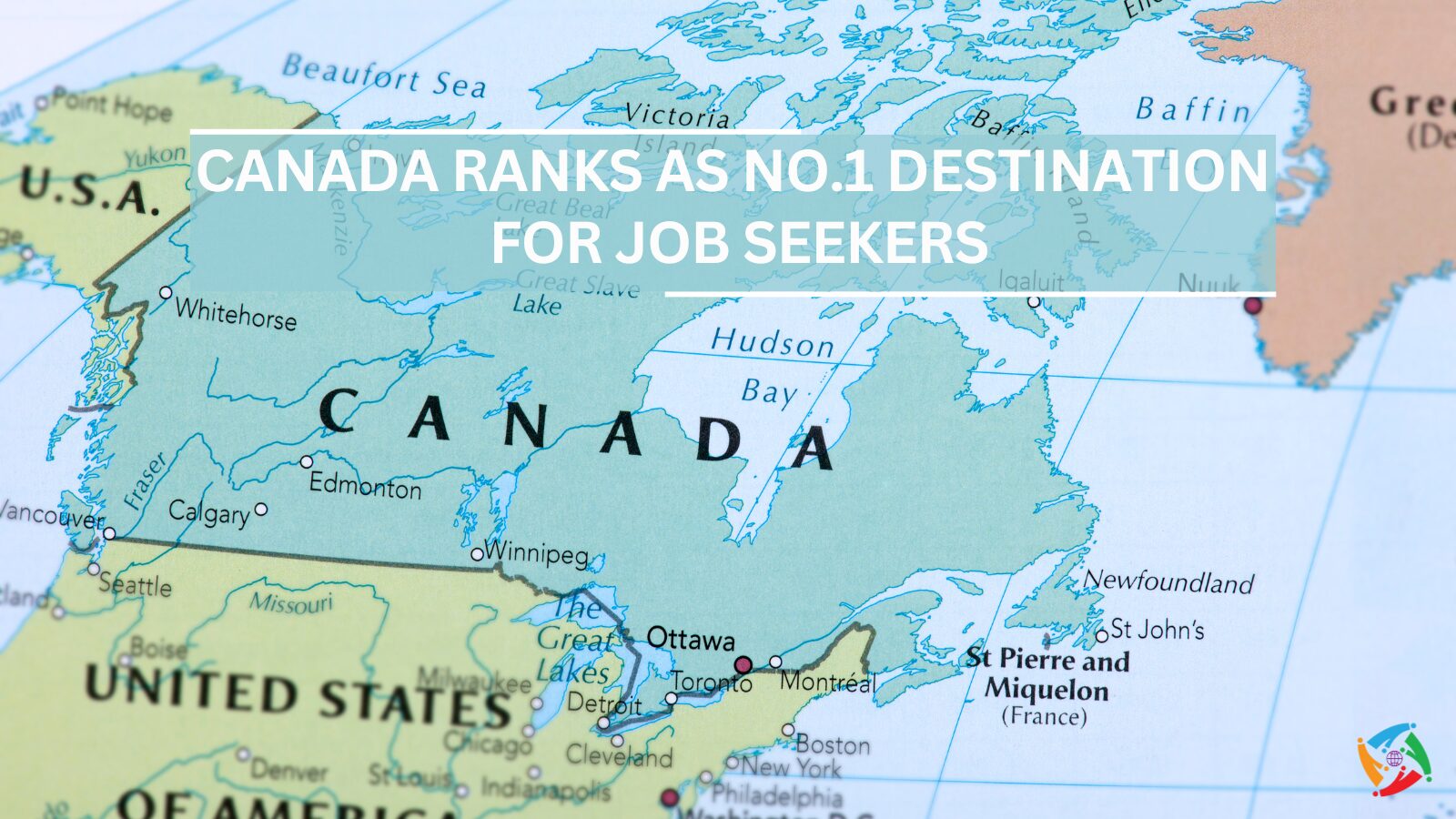
    Canada has long been recognized for its high quality of life, stunning landscapes, and progressive values. However, in recent years, it has also emerged as the number one destination for job seekers globally. With its strong economy, diverse job opportunities, and welcoming immigration policies, Canada is attracting skilled professionals from around the world. In this article, we explore why Canada has earned this top spot and what makes it an ideal destination for job seekers.

    A new study has found Canada to be the top destination that people want to move to for work. According to job search platform Jobseeker, Canada is the most searched destination to move to out of all the countries considered. Australia is the second most searched country to move to, followed by Switzerland and the United States, which are tied for third place. Here is a list of the top countries to move to for work, according to the study. The number next to it corresponds to the number of times the country was ranked as a top country by overseas job seekers from the 30 countries analyzed.

    – Canada (8)

    – Australia (7)

    – Switzerland (6)

    – United States (6)

    – Singapore (2)

    – Denmark (2)

    – Saudi Arabia (2)

    – United Kingdom (2)

    – Germany (1)

    – Qatar (1)

    – Spain (1)

    – Japan (1)

    – Netherlands (1)

    – New Zealand (1)

    According to the same study, most Canadians look for job opportunities in the United States.

    Why Canada?

    1. Thriving Job Market Across Multiple Sectors

    One of the key reasons Canada is a top destination for job seekers is the strength and diversity of its job market. The country’s economy continues to grow, driven by industries such as technology, healthcare, finance, engineering, skilled trades, and natural resources.

    • Tech Sector Boom: Canada’s technology sector is booming, especially in cities like Toronto, Vancouver, and Montreal. The demand for software engineers, data scientists, cybersecurity specialists, and other IT professionals has surged. With companies like Shopify, Telus, and other startups leading the way, Canada’s tech ecosystem is rapidly expanding, offering numerous opportunities for skilled workers.

    • Healthcare Professionals in Demand: Canada’s healthcare system is highly regarded worldwide, and as the population continues to age, there is an increasing need for healthcare professionals. Doctors, nurses, medical technicians, and other healthcare workers are highly sought after, with many provinces actively recruiting internationally trained professionals.

    • Skilled Trades and Engineering: Skilled workers in trades such as electricians, plumbers, carpenters, and welders, as well as engineers in fields like civil, mechanical, and electrical, are in high demand. Canada’s infrastructure projects, energy sector, and construction industry continue to thrive, providing numerous job opportunities.

    • Finance and Business: Canada’s financial hubs, such as Toronto, Vancouver, and Calgary, attract job seekers in finance, accounting, and business management. As Canada’s economy continues to expand, the need for financial analysts, accountants, business consultants, and managers remains strong.

    2. Immigration-Friendly Policies

    Canada’s progressive immigration policies play a significant role in its appeal to job seekers. The country has one of the most welcoming immigration systems in the world, with multiple pathways for skilled workers to move and work in Canada.

    • Express Entry System: One of the main routes for skilled workers to immigrate to Canada is through the Express Entry system, which selects candidates based on their skills, work experience, and language proficiency. With regular draws and faster processing times, Express Entry is one of the most efficient ways to obtain permanent residency.

    • Provincial Nominee Programs (PNPs): Each Canadian province has its own PNP, which allows them to nominate skilled workers for permanent residency based on regional needs. This provides more localized opportunities for job seekers and the chance to settle in the province that best suits their skills and lifestyle preferences.

    • Open Work Permits for Graduates and Spouses: Canada offers several types of work permits, including open work permits for spouses of skilled workers and international graduates. These work permits make it easier for foreign nationals to gain work experience while exploring permanent residency options.

    • Global Talent Stream: This initiative is designed to fast-track work permits for highly skilled foreign workers in technology and other high-demand fields. It provides an accelerated pathway to immigration for tech professionals and others with expertise in areas critical to Canada’s economic development.

    3. High Standard of Living

    Canada consistently ranks high in global quality of life indices, making it an attractive destination for job seekers. From the bustling cities of Toronto and Vancouver to the scenic beauty of places like Calgary and Montreal, Canada offers a high standard of living that is hard to beat.

    • Healthcare and Education: One of the most significant factors that contribute to Canada’s high standard of living is its universal healthcare system. Citizens and permanent residents enjoy access to healthcare services without the burden of excessive medical bills. Additionally, Canada’s world-class education system makes it an ideal destination for families.

    • Work-Life Balance: Canada is known for its work-life balance culture. The country prioritizes employee well-being, offering generous vacation time, paid parental leave, and strong labor protections. This, coupled with a friendly and inclusive work environment, makes Canada an attractive place to build both a career and a fulfilling personal life.

    • Safety and Inclusivity: Canada is one of the safest countries in the world, with low crime rates and a reputation for welcoming diversity. Canadians value inclusivity and multiculturalism, making it an ideal destination for people from all backgrounds and walks of life.

    4. Strong Economic Growth and Job Security

    Canada’s economy is resilient and continues to expand, even in the face of global challenges. The country has weathered economic downturns better than many others, and its diverse economy ensures long-term stability. Sectors such as technology, healthcare, and natural resources continue to fuel job creation.

    • Resilience During Global Crises: Even during global economic disruptions, such as the COVID-19 pandemic, Canada managed to maintain a relatively stable job market. The federal government provided substantial support for businesses and individuals, ensuring that job seekers remained supported and employment opportunities persisted.

    • Employment Insurance and Benefits: Canada offers robust social benefits, including employment insurance for those temporarily out of work, which provides a safety net for job seekers. This social support system ensures that Canadians can transition smoothly between jobs, reducing the stress of unemployment.

    5. A Welcoming Society

    Canada’s reputation as a tolerant, inclusive, and multicultural country plays a key role in its appeal to job seekers. With a large number of immigrants already calling Canada home, newcomers to the country can find diverse communities, making it easier to integrate into Canadian society.

    • Cultural Diversity: Canada is known for its cultural diversity, and employers value the unique perspectives that immigrants bring to the workplace. Job seekers from all over the world find that their cultural backgrounds are respected and celebrated, enhancing the overall work environment.

    • Supportive Immigrant Communities: Many Canadian cities have large immigrant populations, which means newcomers can find support networks, community organizations, and resources that make settling in easier. This sense of belonging contributes to the overall positive experience of working and living in Canada.

    For job seekers looking for new opportunities, Canada offers not only the chance to work but also the potential to grow and settle in one of the world’s most desirable countries. Whether you’re a technology professional, healthcare worker, or skilled tradesperson, Canada is ready to welcome you with open arms and provide the resources to help you succeed.


  • Exploring Other Work Permit Options for International Student Graduates No Longer Eligible for PGWPs)

    Exploring Other Work Permit Options for International Student Graduates No Longer Eligible for PGWPs)

    Graduating from a Canadian institution as an international student is a major accomplishment, and many graduates are eager to gain work experience in Canada to build their careers. For those who no longer qualify for the Post-Graduation Work Permit (PGWP), there are still several options available to extend their stay in Canada and continue working. Here, we explore alternative work permit options for international student graduates who have aged out of the PGWP or no longer meet its requirements.

    1. Free-Trade Agreement-Based Work Permits

    Canada has several free trade agreements with countries that allow citizens of those countries to apply for work permits under specific provisions. These agreements are designed to facilitate the mobility of skilled workers and business people between participating countries.

    • Eligibility: Graduates from countries with which Canada has a free-trade agreement, such as the United States-Mexico-Canada Agreement (USMCA, formerly NAFTA), can apply for a work permit under these trade agreements. Work permits are often available for specific occupations such as skilled workers, professionals, or intra-company transferees.
    • Application Process: The application typically requires proof of citizenship and that the applicant’s occupation is eligible under the trade agreement. No Labour Market Impact Assessment (LMIA) is needed in most cases, making this a faster option.

    2. International Experience Canada (IEC) Work Permits

    The International Experience Canada (IEC) program allows young people from a variety of countries to gain work experience in Canada. This program is an excellent option for international student graduates who wish to extend their stay in Canada, particularly if they are between the ages of 18 and 35.

    • Eligibility: Graduates from participating countries can apply for an IEC work permit, which grants the holder the ability to work for any employer in Canada. The IEC program offers three types of permits: Working Holiday, Young Professionals, and International Co-op (Internship).
    • Application Process: Graduates must apply through the IEC portal, where they can be selected to receive an invitation to apply for a work permit. This program does not require a job offer prior to application, though some streams may require one.

    3. Temporary Foreign Worker Program (TFWP) Work Permits

    The Temporary Foreign Worker Program (TFWP) allows employers in Canada to hire foreign workers for temporary positions, including international student graduates, when Canadian citizens or permanent residents are unavailable to fill those roles.

    • Eligibility: To qualify, a graduate must have a valid job offer from a Canadian employer who has applied for and received a Labour Market Impact Assessment (LMIA). The LMIA confirms that hiring a foreign worker will not negatively impact the Canadian job market.
    • Application Process: Once the employer has an approved LMIA, the graduate can apply for a work permit based on that job offer. The TFWP is an option for graduates who are ready to work in a specific job, but it requires employer involvement and an LMIA process.

    4. Atlantic Immigration Program (AIP) Work Permits

    The Atlantic Immigration Program (AIP) is designed to attract and retain skilled workers to Canada’s Atlantic provinces: Nova Scotia, New Brunswick, Newfoundland and Labrador, and Prince Edward Island. For graduates who studied in one of these provinces, this program provides pathways to work permits and permanent residency.

    • Eligibility: International student graduates from post-secondary institutions in Atlantic Canada may be eligible to apply for a work permit or permanent residency through the AIP. The program targets specific high-demand jobs in the region.
    • Application Process: Graduates must receive a job offer from a designated employer in one of the Atlantic provinces to apply. Once a job offer is secured, they can apply for a work permit through the AIP. This program streamlines the process of obtaining a work permit and offers long-term prospects for permanent residency.

    5. Provincial Nominee Program (PNP)

    The Provincial Nominee Program (PNP) allows provinces and territories in Canada to nominate individuals for permanent residency based on their ability to contribute to the local economy. Many provinces have specific streams designed for international student graduates, especially in high-demand sectors.

    • Eligibility: Graduates who have studied in Canada and received a nomination from a provincial government can apply for a work permit. Some provinces may also issue work permits to candidates who are in the process of applying for permanent residency through the PNP.
    • Application Process: Graduates must first apply to the PNP in the province where they wish to live and work. If nominated, they can apply for a work permit that allows them to live and work in that province while they await the decision on their permanent residency application.

    6. Spousal Open Work Permit – Post-Secondary Studies

    An open work permit is available to the spouse or common-law partner of an international student who has completed post-secondary studies in Canada and holds a valid study permit. This permit allows the spouse or partner to work for any employer in Canada.

    • Eligibility: The applicant must be the spouse or common-law partner of a graduate who holds a valid study permit. The graduate must have completed their studies at a designated learning institution in Canada.
    • Application Process: To apply, the spouse or common-law partner of the student must submit an application for an open work permit. This work permit is valid for the duration of the graduate’s study permit, and the spouse can work full-time without restrictions.

    7. Spousal Open Work Permit – Family Sponsorship

    A spousal open work permit is also available to individuals who are being sponsored by their Canadian spouse or common-law partner through the family sponsorship program. This pathway provides a way for the spouse of a permanent resident or Canadian citizen to work while they await permanent residency.

    • Eligibility: The applicant must be the spouse or common-law partner of a Canadian citizen or permanent resident. The Canadian spouse must sponsor the applicant for permanent residency under the family sponsorship program.
    • Application Process: Once the sponsorship application is submitted, the applicant can apply for an open work permit. This work permit allows the applicant to work in Canada for any employer while waiting for their permanent residency application to be processed.

    For international student graduates who no longer qualify for the Post-Graduation Work Permit (PGWP), there are still numerous options to stay and work in Canada. From free-trade agreement-based work permits to spousal open work permits and regional programs like the Atlantic Immigration Program and Provincial Nominee Programs, Canada offers a variety of work permit pathways that can help graduates continue building their careers and potentially transition to permanent residency.

  • Industries with the Highest Retention Rates for Work Permit Holders Becoming Permanent Residents

    Industries with the Highest Retention Rates for Work Permit Holders Becoming Permanent Residents

    Canada is known for its diverse and inclusive immigration system, which allows individuals from around the world to live and work in the country. For work permit holders, transitioning to permanent residency (PR) is a common goal. One of the key factors in this transition is the industries that offer the best opportunities for work permit holders to remain in Canada permanently.

    Certain sectors in Canada are particularly successful at retaining foreign workers who apply for and become permanent residents. These industries not only provide long-term job stability but also offer pathways for career advancement, making them attractive to those seeking to settle in Canada permanently.

    The industries had the highest retention rates in Canada

    Industry % of workers who remained in the industry 1 year after receiving PR % of workers who remained in the industry 5 years after receiving PR
    Healthcare & Social assistance 81.4% 64.9%
    Utilities 80.3% 58%
    Finance & insurance 77.1% 55.2%
    Public administration 72% 51.2%
    Transportation & Warehousing 70.4% 49%
    Manufacturing 74% 48.9%
    Construction 70% 47.3%

    Industries had the lowest retention rates in Canada

    Industry % of workers who remained in the industry 1 year after receiving PR % of workers who remained in the industry 5 years after receiving PR
    Management of companies & enterprises 36.7% 8.7%
    Real estate, rental & leasing 46.2% 19.4%
    Other services 45.5% 20%
    Administrative & support, waste management and remediation services 54.3% 21%
    Agriculture, forestry, fishing and hunting 52.8% 24.1%

    Canada’s immigration system offers a wealth of opportunities for work permit holders who aspire to transition to permanent residency. Industries such as Healthcare & Social assistance, Utilities, Finance & Insurance, Public administration, Transportation & Warehousing, Manufacturing and Construction have high retention rates for foreign workers. These sectors not only offer stable employment but also provide a variety of pathways to permanent residency through programs like Express Entry, Provincial Nominee Programs, and industry-specific immigration streams.

    For work permit holders, aligning your skills with one of these in-demand industries can significantly increase your chances of obtaining permanent residency in Canada. Whether you are already working in Canada or planning to apply, these industries provide strong foundations for long-term success and settlement in the country.

  • New Canada Immigration Fees Increase Effective December 1: What You Need to Know

    New Canada Immigration Fees Increase Effective December 1: What You Need to Know

    As of December 1, 2024, Canada has implemented an increase in immigration fees, with adjustments ranging between 2.80% and 4.69%. This change will impact several categories of individuals applying for temporary resident status or permits.

    Below is a summary of the new fees compared to the old rates:

    Application Type New Fee (Effective December 1) Old Fee (Prior to December 1) % Change
    Restoration of Visitor Status $239.75 $229.00 4.69%
    Restoration of Student Status $389.75 $379.00 2.84%
    Restoration of Worker Status $394.75 $384.00 2.80%
    Authorization to Return to Canada $479.75 $459.55 4.40%
    Criminal Rehabilitation (Grounds of Criminality) $239.75 $229.77 4.34%
    Criminal Rehabilitation (Serious Criminality) $1,199.00 $1,148.87 4.36%
    Temporary Resident Permit (TRP) $239.75 $229.77 4.34%
    International Experience Canada (IEC) $179.75 $172.00 4.51%

    What happens if you paid the old fee?

    For those who submitted an online application before the new fees came into effect will not be impacted.

    If the IRCC receives a paper application after the fee increase, it will generally accept the old fee provided if:

    • The application was complete. 
    • – Payment for the old fee was made in full. 
    • – The application was mailed before the increase took effect.  

     If the new fee exceeds the old one, applicants will be notified to pay the difference and must follow instructions to complete the additional payment.  

    Paying the difference

    If you have been instructed to pay the fee difference:

    1. Calculate the difference by subtracting the old fee from the new fee. 
    2. Sign into your IRCC account/ Create an account.
    3. Use the “make an additional payment or pay other fees” option via the online payment tool.
    4. Enter the calculated fee difference under “quantity.”
    5. Obtain and submit the payment receipt as per IRCC’s request.

    The new fee increases for Canadian immigration services, effective December 1, 2024, are part of an ongoing effort to ensure that the immigration process remains sustainable and effective. While the changes may represent a modest increase in costs for certain applicants, understanding the new fees and planning ahead will help ensure that your immigration process goes smoothly.

  • Latest Express Entry Draws: December 2024 Updates

    Latest Express Entry Draws: December 2024 Updates

    Canada’s Express Entry system continues to shape the country’s immigration landscape, offering skilled workers pathways to permanent residency. The latest draws, conducted on December 2 and December 3, 2024, showcase Canada’s ongoing commitment to attracting top talent and addressing the diverse needs of its economy. Here’s a breakdown of the latest Express Entry draw details:

    December 3, 2024: French-Speaking Candidates Draw

    On December 3rd, Canada issued 800 Invitations to Apply (ITAs) for permanent residency to French-speaking candidates in the latest Express Entry draw. This draw targeted profiles with Level 7 proficiency in French, as demonstrated by language test results, such as those from the Test d’évaluation de français (TEF) or the Test de connaissance du français (TCF).

    The candidates selected in this round required a Comprehensive Ranking System (CRS) score of 466 or higher. This draw underlines Canada’s ongoing focus on Francophone immigration, especially to support French-speaking communities outside Quebec, which are integral to the country’s multicultural and multilingual fabric.

    December 2, 2024: Provincial Nominee Program (PNP) Draw

    The previous day, on December 2nd, another significant draw occurred under the Provincial Nominee Program (PNP) stream, in which 676 ITAs for permanent residency were issued. This draw targeted candidates who were nominated by Canadian provinces for specific roles needed within those regions. The CRS score cutoff for this PNP-specific draw was 705.

    Candidates in the PNP draw benefit from receiving a provincial nomination, which provides them with a 600-point bonus under the CRS, significantly boosting their chances of receiving an ITA. The high CRS cutoff of 705 reflects the selectivity of this round, focusing on individuals who have strong provincial endorsements and who meet the specialized labor needs of Canadian provinces.

    Canada’s commitment to immigration continues to evolve, with Express Entry remaining a key tool for economic growth. Candidates aspiring to immigrate in coming time should continue improving their language skills, gaining work experience, and staying updated on the latest Express Entry draws and changes to maximize their chances of success.

  • The Difference Between Canadian Permanent Residency & Canadian Citizenship

    The Difference Between Canadian Permanent Residency & Canadian Citizenship

    When it comes to immigration and living in Canada, two important terms often come up: Permanent Residency (PR) and Canadian Citizenship. While both statuses allow individuals to live and work in Canada, they come with distinct rights, responsibilities, and processes. Understanding these differences is crucial for anyone considering making Canada their home.

    Permanent Residency (PR)

    A Permanent Resident (PR) is a person who has been granted permission to live and work in Canada indefinitely, but is not a Canadian citizen. Permanent residents enjoy many of the same rights as Canadian citizens but have certain limitations. A PR status can be revoked if the individual does not meet the residency requirements or violates certain laws.

    Canadian Citizenship

    Canadian citizenship is a legal status that grants individuals the full rights of being a Canadian. Once you become a Canadian citizen, you enjoy all the rights and privileges of a citizen, including the right to vote, apply for a Canadian passport, and live in Canada indefinitely without worrying about residency conditions.

    Rights and Responsibilities

    Permanent Resident (PR):

    • Rights:
      • – Live, work, and study anywhere in Canada.
      • – Access to health care and other social benefits available to Canadian citizens.
      • – Protection under Canadian law and the Canadian Charter of Rights and Freedoms.
      • Ability to sponsor family members for immigration to Canada.
    • Responsibilities:
      • – Must maintain PR status by living in Canada for at least 2 years within every 5-year period.
      • – Cannot vote in federal, provincial, or municipal elections.
      • – Cannot run for office or hold government positions that require Canadian citizenship.
      • – Must follow Canadian laws and regulations.

    Canadian Citizenship:

    • Rights:
      • – Full voting rights: Citizens have the right to vote in federal, provincial, and local elections.
      • – The right to run for public office and hold government positions.
      • – The ability to apply for a Canadian passport and enjoy the protections that come with it, including consular assistance from Canadian embassies and consulates worldwide.
      • – Protection from deportation, as citizens cannot lose their status or be deported from Canada.
    • Responsibilities:
      • – Must obey Canadian laws and participate in civic duties (e.g., paying taxes).
      • – May be subject to jury duty and could be required to serve in the event of national defense needs.
      • – Loyalty to Canada: Canadians are expected to adhere to the country’s values and laws and not engage in acts that may endanger national security.

    Process of Obtaining PR and Citizenship

    Permanent Residency:

    • – To obtain PR status, individuals typically apply through one of Canada’s immigration programs, such as Express Entry, Family Sponsorship, Provincial Nominee Program (PNP), or as a refugee.
    • – After receiving approval, individuals become permanent residents and can live, work, and study in Canada for as long as they meet the residency requirements.
    • – PR status can be lost if the individual commits a serious crime or fails to meet the residency obligation.

    Canadian Citizenship:

    • To apply for citizenship, a Permanent Resident must meet specific criteria:
      • – Must have lived in Canada for at least 3 years (1,095 days) out of the last 5 years.
      • – Must demonstrate proficiency in English or French (if between 18 and 54 years old).
      • – Must pass a citizenship test (covering Canadian history, values, institutions, and symbols).
      • – Must file Canadian taxes for at least 3 years within the 5-year period before applying.
    • Once the application is approved, the individual must attend a citizenship ceremony and take the Oath of Citizenship, formally becoming a Canadian citizen.

    Duration of Status

    • Permanent Residency is not necessarily permanent. PR holders must meet residency obligations to maintain their status. If they fail to do so, they could lose their PR status and may even face deportation.
    • – Canadian Citizenship is permanent and cannot be revoked unless the person obtained it through fraudulent means or other extreme circumstances.

    Passing citizenship to children

    • Children of Permanent Residents:
      While children of Permanent Residents cannot automatically inherit PR status unless the parent sponsors them or they are included in the immigration process, Permanent Residents with children born abroad can still secure PR status for their children through sponsorship. However, the child will not have the same rights as a Canadian citizen and may need to meet residency requirements to maintain their PR status.

    • Children of Canadian Citizens:
      Canadian citizens are automatically able to pass on citizenship to their children, even if the child is born outside Canada. This simplifies the process for families living abroad or planning to move back to Canada, as the child will not need to apply for Canadian immigration or citizenship separately, provided the parent is a Canadian citizen at the time of birth.

    Key Differences at a Glance

    Aspect Permanent Resident (PR) Canadian Citizenship
    Residency Requirement Must live in Canada for 2 out of 5 years. Must live in Canada for 3 out of 5 years.
    Voting Rights No Yes
    Government Positions Cannot hold government positions requiring citizenship Eligible for all government positions
    Passport Cannot get a Canadian passport. Can apply for a Canadian passport.
    Deportation Risk Can be deported if PR status is revoked. Cannot be deported once citizenship is granted.
    Sponsorship Can sponsor family members for immigration. Can sponsor family members for immigration.
    Right to pass status to children born outside the country No Yes, if parent is also born in Canada

    Both Permanent Residency and Canadian Citizenship offer incredible benefits, but they come with different sets of rights and responsibilities. Permanent Residents enjoy many of the same privileges as citizens, but they cannot vote or hold certain government positions. On the other hand, Canadian Citizens enjoy full political rights and protections, including the right to apply for a Canadian passport and the security of never losing their status unless they commit serious offenses.

    If you’re looking to make Canada your permanent home, understanding the difference between these two statuses is crucial for making an informed decision about your long-term plans in the country. Whether you start as a permanent resident or pursue citizenship, Canada offers a welcoming environment for individuals seeking opportunities and a higher quality of life.

  • The 1st Express Entry draw of November issued 733 ITAs for Canada PR

    The 1st Express Entry draw of November issued 733 ITAs for Canada PR

    On November 12, 2024, the Immigration, Refugees and Citizenship Canada (IRCC) has conducted its first Express Entry draw of November, issuing 733 Invitations to Apply (ITAs) for Canadian Permanent Residence (PR). The draw targeted candidates from all Express Entry categories, with a provincial nomination from one of Canada’s provinces and a Comprehensive Ranking System (CRS) score of 812 or higher.

    Details of this Express Entry draw

    Program: Provincial Nominee Program

    Number of issued invitations: 733

    Rank required to be invited to apply: 733 or higher

    CRS score of lowest-ranked invited candidate: 812

    The CRS score jumped 21 points from the previous PNP-only draw on October 21, 2024.

    Immigration Levels Plan Prioritizes In-Canada candidates

    The 2025-2027 Immigration Levels Plan reflects Canada’s evolving immigration priorities with an increased “In-Canada Focus” . This is a clear indication that the Canada Government continues to prioritize candidates who have the potential to contribute to the country’s economy and society, especially those currently living and working in Canada on temporary Visas who are seeking to transition to permanent residence.

    This is part of an immigration strategy that aims to address ongoing labour shortages, support economic growth and promote integration by providing temporary residents in Canada with easier pathways to permanent residence.

    The Express Entry system, along with various immigration pathways like the Canadian Experience Class, Provincial Nominee Program, and Post-Graduation Work Permit, continues to offer temporary residents a clear route to permanent residency in Canada. The government’s ongoing adjustments to its immigration policies reflect a growing recognition of the value that temporary residents bring to the Canadian economy and society.

    For those currently living and working in Canada on temporary permits, the opportunities for transitioning to Permanent Residency are abundant. With a variety of pathways and increasing focus on Canadian experience, temporary residents are well-positioned to take the next step in their journey to becoming permanent residents of Canada.

    If you’re a temporary resident in Canada and are considering applying for Permanent Residency, now is a great time to start planning your next steps. Keep an eye on the upcoming Express Entry draws and explore the various immigration programs available to you. With the right preparation and strategy, your dream of becoming a permanent resident of Canada could be within reach!

  • IRCC Closes Student Direct Stream (SDS) Program, effective as of November 8, 2024

    IRCC Closes Student Direct Stream (SDS) Program, effective as of November 8, 2024

    The Immigration, Refugees and Citizenship Canada (IRCC) has announced the immediate suspension of the Student Direct Stream (SDS) program, effective as of November 8, 2024. This significant change means that students applying from countries currently eligible for the SDS will no longer be able to use this expedited processing stream for their study permit applications.

    What is the Student Direct Stream (SDS)?

    The Student Direct Stream (SDS) was launched in 2018 to provide faster and more streamlined processing for study permit applications for international students. The program was designed to help students from select countries—including China, India, the Philippines, Vietnam, and others—receive a faster decision on their study permit application. The SDS allowed eligible students to enjoy quicker processing times, often within 20 calendar days, provided they met certain criteria, such as language test results and evidence that they opened a Canadian Guaranteed Investment Certificate (GIC) of $20,635 CAD.

    This program was particularly popular among students aiming to pursue higher education in Canada, thanks to its faster processing time compared to the regular study permit application process

    Why Has IRCC Suspended the SDS Program?

    While the SDS program had been an attractive option for many students, the Canadian government made the decision to wind it down for several reasons. These include strengthening program integrity, addressing vulnerabilities in the system, ensuring equal opportunities for all applicants, and enhancing the overall academic experience for international students in Canada.

    By eliminating the program, Canada hopes to ensure that students are assessed fairly, based on their individual qualifications, and that all applicants are given the opportunity to succeed academically and contribute to Canada’s vibrant, multicultural society.

    For international students, these changes signal a commitment to ensuring that the Canadian education system remains accessible and inclusive, while maintaining a high standard of immigration integrity.

  • Top High Paying Diploma Programs in Canada for 2025: Lucrative Career Paths to Explore

    Top High Paying Diploma Programs in Canada for 2025: Lucrative Career Paths to Explore

    Canada’s post-secondary education system offers a wide range of diploma programs that open doors to high-paying and rewarding careers. Whether you’re interested in healthcare, technology, business, or the trades, there are countless opportunities to secure a well-paying job and a successful future. Here’s a guide to the top high-paying diploma programs in Canada for 2025 that promise excellent career prospects.

    1. Dental Hygiene

    Average Salary: CAD $60,000 – $80,000 per year per year

    Dental hygienists are in high demand across Canada. They work alongside dentists to provide preventative dental care, educate patients, and perform cleanings. With an aging population and a focus on oral health, this field continues to see growth and stability.

    2. Paralegal Studies

    Average Salary: CAD $45,000 – $65,000 per year

    Paralegals assist lawyers with legal research, drafting documents, and client support. This is a great career for those interested in law without the lengthy commitment of becoming a lawyer. Paralegals are in demand in law firms, courts, and corporate legal departments.

    3. Medical Laboratory Technology

    Average Salary: CAD $55,000 – $75,000 per year

    Medical laboratory technologists are essential to diagnosing and treating illnesses. They collect, prepare, and analyze lab samples. With the growing healthcare needs in Canada, medical lab technology remains one of the most sought-after fields.

    4. Pharmacy Technician

    Average Salary: CAD $40,000 – $55,000 per year

    Pharmacy technicians play an integral role in preparing and dispensing medications in hospitals and pharmacies. As the demand for healthcare services rises, pharmacy technicians will continue to find job security and good wages.

    5. Respiratory Therapy

    Average Salary: CAD $60,000 – $85,000 per year

    Respiratory therapists treat patients with breathing or cardiopulmonary disorders. This profession is critical in hospitals, especially in critical care and emergency situations. The demand for respiratory therapists is expected to remain strong due to an aging population and growing healthcare needs.

    6. Electrical Engineering Technician

    Average Salary: CAD $50,000 – $70,000 per year

    Electrical engineering technicians work alongside engineers to design, test, and implement electrical systems. With Canada’s expanding infrastructure and demand for renewable energy sources, electrical engineering remains a high-paying and stable career path.

    7. Graphic Design

    Average Salary: CAD $40,000 – $60,000 per year

    Graphic designers use their creativity and technical skills to create visual content for digital media, advertising, and branding. The continued growth of digital marketing and the tech industry has led to a high demand for skilled graphic designers.

    8. Civil Engineering Technology

    Average Salary: CAD $50,000 – $80,000 per year

    Civil engineering technologists support civil engineers in designing and managing construction projects. As infrastructure development continues to grow in Canada, there are many opportunities in this field for high-paying roles in public and private sector projects.

    9. Web Development

    Average Salary: CAD $55,000 – $75,000 per year

    Web developers are responsible for designing and coding websites. As businesses continue to prioritize their online presence, web development remains one of the most lucrative and in-demand fields in tech.

    10. Network Engineering

    Average Salary: CAD $60,000 – $85,000 per year

    Network engineers design, implement, and maintain network infrastructure for organizations. With the rise of cloud computing, cybersecurity needs, and the expansion of digital businesses, network engineers are highly sought after.

    11. Accounting and Payroll Administration

    Average Salary: CAD $40,000 – $55,000 per year

    Professionals in accounting and payroll administration manage financial records, pay processes, and ensure compliance with regulations. The demand for skilled accountants and payroll experts remains strong across industries, especially in Canada’s diverse economy.

    12. Early Childhood Education

    Average Salary: CAD $35,000 – $50,000 per year

    Early childhood educators are responsible for the developmental care of children in daycare centers and schools. With a growing focus on early education and the increasing demand for childcare services, this field offers stable job opportunities.

    13. Environmental Technology

    Average Salary: CAD $45,000 – $65,000 per year

    Environmental technologists work on projects related to sustainability, pollution control, and environmental protection. With Canada’s focus on green energy and environmental responsibility, this field is both rewarding and high-paying.

    14. Digital Marketing

    Average Salary: CAD $50,000 – $70,000 per year

    Digital marketing professionals use SEO, social media, content creation, and paid advertising strategies to promote businesses online. As companies shift their focus to digital channels, there is a growing demand for digital marketers who can drive business growth.

    15. Culinary Arts

    Average Salary: CAD $40,000 – $60,000 per year

    Chefs and culinary arts professionals prepare and create culinary masterpieces in restaurants, hotels, and catering companies. For those with a passion for food, this career offers opportunities for both high salaries and the potential to own a business.

    16. Supply Chain and Logistics

    Average Salary: CAD $50,000 – $70,000 per year

    Supply chain managers oversee the production, storage, and distribution of goods. As e-commerce continues to grow, so does the demand for professionals who can manage logistics and supply chain operations efficiently.

    17. Software Engineering Technician

    Average Salary: CAD $60,000 – $85,000 per year

    Software engineering technicians work on designing, developing, and maintaining software applications. This is a high-demand field due to the rapid advancement of technology, with opportunities in a wide range of industries from tech to healthcare.

    18. Hospitality Management

    Average Salary: CAD $45,000 – $60,000 per year

    Hospitality managers oversee hotels, resorts, and restaurant operations. With Canada’s thriving tourism industry, hospitality management offers promising career prospects for those who excel in leadership, customer service, and business operations.

    19. Business Administration

    Average Salary: CAD $45,000 – $65,000 per year

    A diploma in business administration opens up numerous career opportunities in various sectors, from finance to marketing. Business professionals are always in demand in both small businesses and large corporations.

    20. Occupational Therapy Assistant

    Average Salary: CAD $50,000 – $70,000 per year

    Occupational therapy assistants work with patients to help them develop, recover, or maintain daily living and work skills. As the population ages, the demand for occupational therapists and assistants is rising, making this a rewarding career path.

    21. Cybersecurity

    Average Salary: CAD $70,000 – $90,000 per year

    Cybersecurity professionals protect organizations from data breaches, hacking, and cybercrime. As digital threats continue to evolve, cybersecurity experts are in high demand, with job opportunities across industries.

    22. Event Management

    Average Salary: CAD $40,000 – $55,000 per year

    Event managers plan and coordinate events, ranging from corporate conferences to weddings. As Canada’s events and hospitality industries grow, event management remains a lucrative and dynamic career choice.

    23. Mechanical Technician

    Average Salary: CAD $50,000 – $70,000 per year

    Mechanical technicians support the design, testing, and maintenance of mechanical equipment and machinery. With Canada’s thriving manufacturing and technology sectors, mechanical technicians are highly valued.

    24. Aircraft Maintenance

    Average Salary: CAD $60,000 – $80,000 per year

    Aircraft maintenance technicians are responsible for ensuring that aircraft are safe and fully functional. As the aviation industry continues to grow in Canada, skilled technicians are essential for maintaining fleet operations and safety standards.

    25. Social Service Worker

    Average Salary: CAD $40,000 – $55,000 per year

    Social service workers support individuals and families in need, helping them access services, counseling, and resources. With Canada’s commitment to social welfare and healthcare, social service workers are always in demand.

    These 25 high-paying diploma programs in Canada offer a variety of career paths that promise growth, stability, and excellent earning potential in 2025. Whether you’re looking to enter the healthcare sector, explore technology and engineering, or pursue a creative field, there are diploma options that can set you on a successful career trajectory. By choosing the right program based on your interests and career goals, you can position yourself for a rewarding future in one of Canada’s most dynamic industries.

    The demand for skilled professionals across all these fields ensures that you’ll have the opportunity to secure a well-paying job, contributing to Canada’s growing economy and diverse workforce.

  • 5 Reasons Why International Students Prefer Canada

    5 Reasons Why International Students Prefer Canada

    Canada has become a top destination for international students seeking a high-quality education. With its welcoming atmosphere, diverse culture, and outstanding academic institutions, it’s no wonder that Canada is a favored choice for students from around the world. Here are five compelling reasons why international students refer to Canada as their study destination.

    High-Quality Education System

    Canada is home to some of the world’s most prestigious universities and colleges. Universities from Canada have a long history and reputation in terms of academic performance and high graduate employ-ability rate. Moreover, many of the Canadian higher educational institutions compete with leading and famous universities from the U.S. and the UK for instance.

    Some of the top-ranked Canadian universities are:

    • – University of Toronto (top 30 best universities in Canada in THE)
    • – University of British Columbia (top 40 best universities in Canada in THE)
    • – McGill University (top 50 best universities in Canada in THE)
    • – University of Montreal (top 150 best universities in Canada in THE)
    • – University of Alberta (top 150 best universities in Canada in THE)

    The Canadian education system is known for its emphasis on research, innovation, and hands-on learning, ensuring students receive a comprehensive education that prepares them for successful careers.

    Cultural Diversity and Inclusivity

    Canada is celebrated for its multicultural environment, where people from various backgrounds coexist harmoniously. International students find a welcoming community, which helps them feel at home. This diversity enriches the student experience, allowing for the exchange of ideas and perspectives. Many Canadian institutions also have dedicated support services for international students, making the transition smoother and more enjoyable.

    Canadian immigration pathways for international students

    Canada offers a variety of immigration pathways for international students, making it an attractive destination for those seeking to build a future in the country. After completing their studies, graduates can explore options such as the Post-Graduation Work Permit (PGWP), the Canadian Experience Class (CEC), and Provincial Nominee Programs (PNPs) which have specialized streams for international students who’ve completed a study program in specific Canadian provinces. Depending on the immigration stream they choose, they may be eligible to apply for Permanent Residence soon after graduation or with 12 to 24 months of Canadian work experience. These pathways not only allow students to gain valuable work experience but also facilitate their transition to permanent residency.

    Quality of life – Safe and peaceful

    Quality of life is usually a factor of several aspects, such as quality of education, health care, employment, job security, environmental quality, and individual freedom. Canada consistently ranks as one of the safest countries in the world. With low crime rates and a commitment to social welfare, international students can feel secure while pursuing their studies. The country’s political stability and health care system further contribute to a sense of safety and well-being, allowing students to focus on their education without undue worry.

    Affordable Cost

    Studying in Canada is often seen as a cost-effective choice for international students seeking high-quality education. Compared to many other popular study destinations, tuition fees in Canada are generally lower, while the country offers a robust educational system with world-renowned institutions. Additionally, the relatively affordable cost of living in many Canadian cities further enhances its appeal. With various scholarships and financial aid options available, international students can find ways to make their education in Canada even more accessible, ensuring a valuable investment in their future without overwhelming financial burdens.

    With its combination of high-quality education, cultural diversity, immigration opportunities, safety, and affordable cost, Canada stands out as a premier destination for international students. As they embark on their academic journeys, students in Canada are not just gaining knowledge; they are also experiencing a rich, supportive environment that prepares them for a successful future.